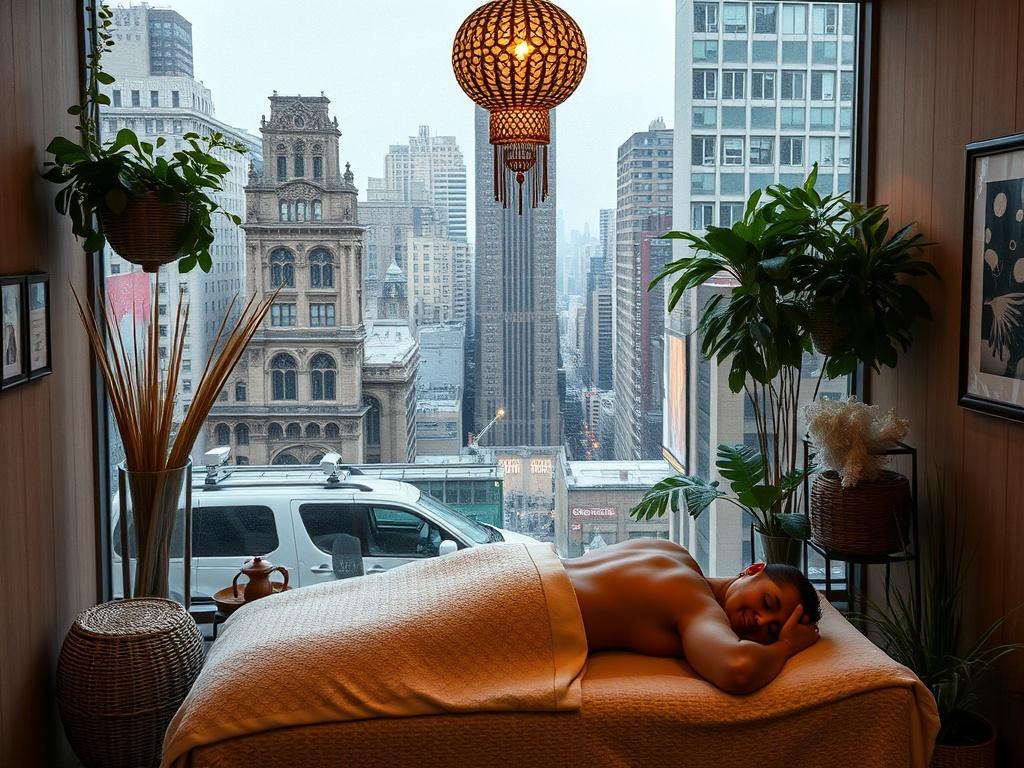

Origins and principles of Nuru massage
Nuru massage originated in Japan and is built around a distinctive slippery medium: a water-soluble gel often made from seaweed extract. The technique emphasizes continuous, gliding contact between two bodies, using the gel to reduce friction and create a very smooth, flowing experience. While it has become associated with intimate, sensual sessions, the method itself is simply a different modality of bodywork that relies on long, even strokes and close physical contact.
Understanding the basics helps separate the method from assumptions. Practitioners who offer Nuru often highlight the sensory quality of the gel and the focus on rhythm and attunement. In a professional setting, the session should begin with a consultation on health, comfort and boundaries—just as with any therapeutic massage. The specifics of pressure, duration and areas focused on are tailored to the client’s goals and the clinic’s policies.
Legal and regulatory landscape in New York
New York City and New York State regulate massage therapy, requiring practitioners to be licensed and businesses to comply with public health standards. Licensing is intended to ensure baseline training in anatomy, sanitation and professional conduct; many legitimate spas and clinics post their license information or make it available on request. Consumers can verify individual credentials through the New York State Office of the Professions.
It’s important to distinguish between legitimate wellness services and illegal enterprises. Sexual services in exchange for payment are prohibited by law, and venues that advertise explicitly sexual activities may be operating outside legal boundaries. Choosing a licensed, transparent provider reduces legal risk and supports ethical business practices. If you have questions about legality, contacting local regulatory agencies or legal counsel will provide the clearest guidance for your situation.
How to find reputable Nuru providers in New York
0
Finding a trustworthy provider means doing a bit of homework. Reputable establishments typically have clear websites, visible licensing, professional photos of treatment rooms rather than explicit imagery, and straightforward descriptions of what’s included in a session. They will also offer a consultation and a written consent form or intake questionnaire before starting.
To narrow options, use these practical steps:
- Verify practitioner licenses through state or professional association databases.
- Read multiple reviews and look for patterns—consistent praise for professionalism and cleanliness is more meaningful than a handful of enthusiastic but vague comments.
- Call ahead with specific questions about hygiene protocols, the type of gel used, and whether sessions are offered by licensed massage therapists or other staff.
- Visit the facility in person if possible to judge cleanliness and staff demeanor.
Red flags include evasiveness about licensing, insistence on cash-only payments with no receipt, and facilities that avoid in-person consultations. Trust your instincts; if something feels off during booking or on arrival, it’s reasonable to leave and request a refund.
What to expect during a session
A professional Nuru session follows a familiar structure: intake, discussion of health and preferences, the treatment itself, and a brief post-session check-in. Intake forms should ask about allergies, skin conditions, medications and any areas to avoid. Practitioners who respect boundaries will discuss clothing options, draping, and consent before any hands-on contact begins.
Sessions typically vary in length—common options are 60, 90 or 120 minutes—and include time for preparation and cleaning. Expect clear communication about what the gel is made of and whether a patch test is advisable. If you prefer a therapist of a particular gender, ask when booking. Payment methods, tip expectations and cancellation policies should be clarified in advance to avoid misunderstandings.
Health, safety, and hygiene considerations
Hygiene is central to any bodywork involving close contact and moisture. Nuru gel is water-soluble and intended to be non-irritating, but individuals with sensitive skin or seaweed/iodine allergies should be cautious. A small patch test before a full session is a prudent step if you have concerns.
Providers should follow these standards:
- Use fresh linen and towels for each client; launder at high temperatures.
- Sanitize treatment surfaces between sessions and allow adequate drying time.
- Provide adequate ventilation or climate control to manage moisture and comfort.
- Use gel products that are labeled with ingredients and manufactured by reputable suppliers.
Be mindful of communicable disease precautions: do not attend a session if you have fever, open wounds, contagious skin conditions, or respiratory illness. If the facility does not maintain visible cleanliness or the practitioner resists documenting sanitation practices, consider that a strong warning sign.
Comparing Nuru with other types of massage
Nuru is one of many bodywork modalities. Below is a concise comparison to help set expectations and decide which modality fits your needs. This table focuses on general characteristics; actual practices can vary significantly between providers.
| Modality | Primary purpose | Contact level | Typical setting | Licensing/Regulation |
|---|---|---|---|---|
| Nuru | Sensory, skin-to-skin glide; relaxation and attunement | High (body-to-body contact) | Dimly lit spa or private room with waterproof surfaces | Offered by licensed therapists or independent providers; requires adherence to local massage regulations |
| Swedish | Relaxation, circulation improvement | Medium (clothed or draped contact) | Standard spa/massage clinic | Provided by licensed massage therapists |
| Deep Tissue | Muscle tension relief and rehabilitation | Medium (targeted pressure) | Clinic or therapeutic spa | Requires trained, licensed therapists |
| Couples/Partner Massage | Shared relaxation experience | Varies (typically low to medium) | Two massage tables or shared space in spa | Regulated if provided by professionals |
Choosing between these depends on your priorities: if you want a sensory, flowing experience with extensive body contact, Nuru fits that niche. If you seek muscle therapy or reduced pain, Swedish or deep tissue may be better aligned with those goals.
Practical tips, pricing, and etiquette in NYC
Prices in New York vary widely by neighborhood and whether the provider is an independent practitioner or an established spa. As a broad guide, expect base prices roughly in these ranges: 60-minute professional sessions $100–$200, extended or specialty sessions $150–$300. High-end or boutique locations may charge more. Always confirm whether taxes and gratuity are included.
Etiquette and payment practices matter. A few tips:
- Book in advance during weekends; reputable providers in Manhattan and Brooklyn can be booked out several days.
- Arrive a little early to complete intake forms and relax—being rushed reduces the quality of the session.
- Tipping is customary for good service—10–20% is common; check whether the venue includes a service charge.
- Communicate openly about comfort levels and any areas to avoid. A professional will encourage this conversation.
Common misconceptions and frequently asked questions
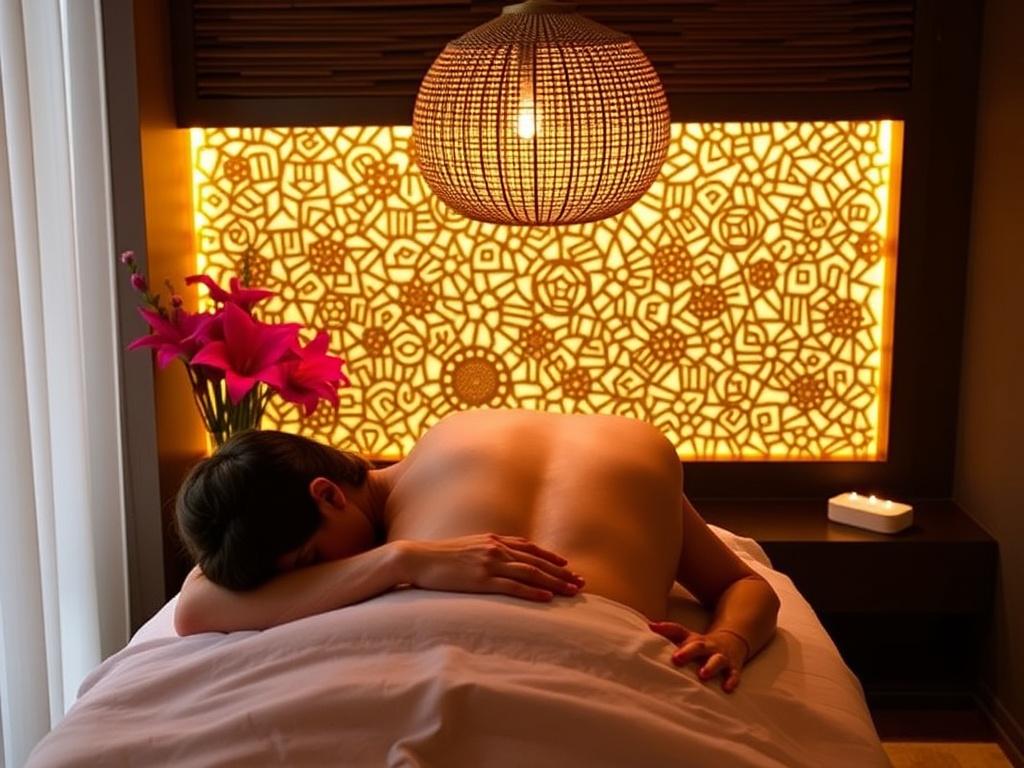
Many people assume Nuru is inherently sexual or illicit. In truth, the modality can be offered professionally with clear boundaries, just like any other form of massage. The difference lies in how a provider frames the service, their policies on boundaries, and whether sessions adhere to local licensing rules.
Another myth is that all Nuru products are the same. Formulations vary: some are purely seaweed-based and fragrance-free, while others contain additives for scent or texture. Ask providers for ingredient lists if you have skin sensitivities. Finally, some worry that Nuru requires nudity; practices vary, but professional providers discuss draping and clothing options openly beforehand.
Resources and next steps
If you’re considering a Nuru session in New York, start with verifiable facts: check practitioner licenses through the New York State Office of the Professions, consult the NYC Department of Health for business licensing questions, and use widely known review platforms to compare experiences. Professional associations—such as the American Massage Therapy Association—can offer guidance about standards and training.
When you’re ready to book, compile a shortlist of two or three providers, call to ask about hygiene practices and licensing, and choose the one that communicates clearly and respects your questions. Prioritize safety, consent and transparency above all else.
Conclusion
Nuru massage in New York exists at the intersection of sensory bodywork and professional wellness services. When offered by licensed, transparent providers in clean, well-managed settings, it can be a distinctive option for relaxation and tactile attunement. Do your research: verify credentials, ask about ingredients and sanitation, and choose a provider whose communication and policies align with your comfort and legal considerations. That approach will make a new experience feel safe, clear and worthwhile.