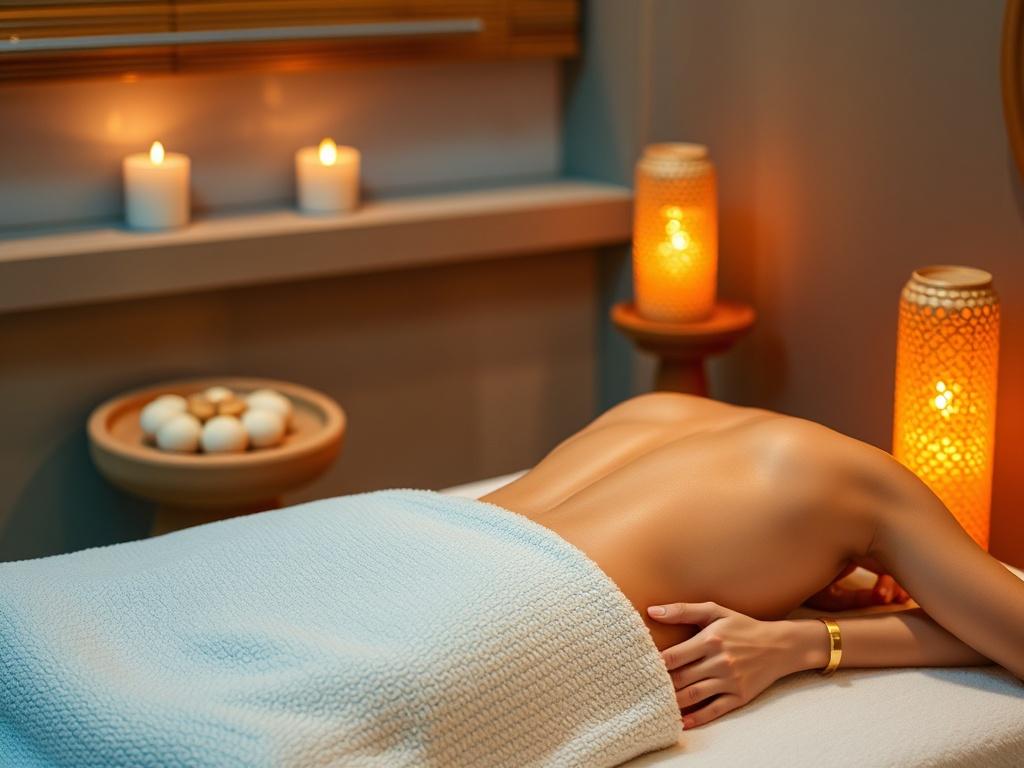

Hot massage—using heat as an active element within bodywork—bridges simple comfort and targeted therapeutic effect. As a massage practitioner with clinical and hands-on experience, I’ll walk you through what hot massage does, how it’s performed, and when heat improves outcomes versus when it creates risk.
This article blends physiology, real-world examples, practical steps, and safety rules so you can evaluate hot massage whether you are a client, a home user, or a practitioner refining your toolbox.
What exactly is a hot massage?
“Hot massage” refers to any massage session where heat is intentionally applied to the body alongside, or as part of, manual techniques. Common approaches include hot stone massage, hot towels or packs, heated oils, and herbal compresses used in many traditional systems. Heat may be static (a warmed stone placed on the body) or dynamic (alternating hot compresses during stroking).
The goal is not merely comfort. Controlled heat modulates tissue properties—raising local temperature changes muscle stiffness, increases local circulation, and changes pain perception. When combined with massage strokes, heat allows deeper work with less discomfort and can speed recovery in certain situations.
Forms of hot massage you’ll find in practice
Different traditions and clinics favor different tools. Each has practical pros and cons that affect results and safety:
- Hot stone massage: Basalt or other stones heated to a controlled temperature and used to both stroke and hold on areas of tension.
- Hot towels and packs: Simple, inexpensive, and adjustable—useful for targeted warming before manual work.
- Heated oils: Oils warmed to a pleasant temperature and used as a medium for long gliding strokes, commonly in Swedish-style massages.
- Herbal compresses: Cloth bundles filled with heated herbs, steamed and applied intermittently; common in Thai and Southeast Asian traditions.
Choosing one depends on client preference, treatment goals, and contraindications. For example, hot stones are excellent for generalized relaxation and easing chronic muscle tension, while herbal compresses may be preferred when a practitioner wants a combination of heat and mild aromatherapy or anti-inflammatory herbal effects.
Physiological effects: how heat changes tissue and sensation
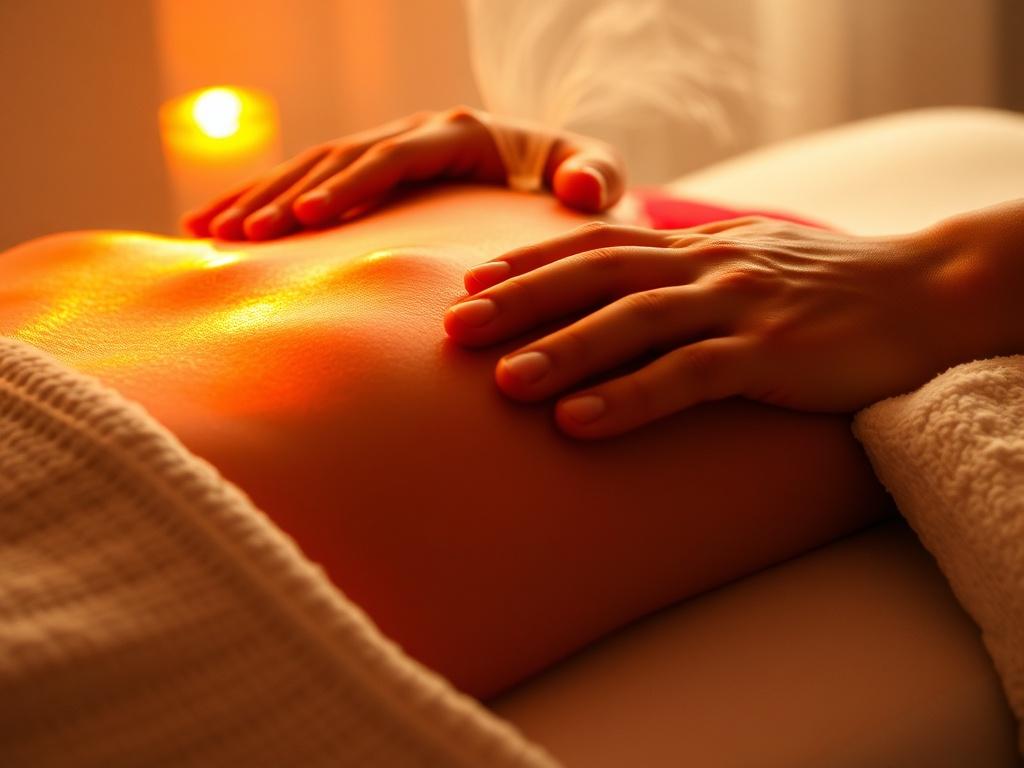
Heat produces predictable, measurable changes at the tissue level. The main effects are vasodilation (widening of blood vessels), increased local metabolic rate, reduced muscle spindle sensitivity, and altered pain signaling through gate-control mechanisms. In plain terms: warmed muscle is softer, more elastic, and less likely to trigger pain when manipulated.
These changes explain why heat often makes deep work feel easier and why combined heat-and-massage can speed recovery of stiff muscles. However, the magnitude and duration of these effects depend on the temperature reached and how long heat is applied—mild warmth for 10–20 minutes has different effects than intense heat for a short period.
Practical techniques and how to apply them
Applying heat well is as much about timing and sequence as it is about the device. A typical effective protocol might look like this: begin with 5–10 minutes of generalized heat to increase circulation, follow with targeted manual techniques while tissues remain warm, and finish with a lighter, cooling phase to normalize the tissue.
Temperature control is critical. For moist heat (towels, packs), aim for 40–45°C (104–113°F) at the surface, which feels comfortably warm but not painful for most adults. For hot stones, therapists typically keep stones between 45–55°C (113–131°F) but continuously monitor client feedback and move stones frequently to avoid burns.
How to perform a safe hot massage: step-by-step
Safety is non-negotiable. The steps below assume the practitioner has basic massage training and is familiar with client screening.
- Pre-screen: Ask about circulatory problems (diabetes, peripheral vascular disease), neuropathy, recent injuries, skin conditions, pregnancy, and medications that alter temperature perception.
- Test heat: Always test hot elements on your inner wrist before applying to a client. Adjust temperature until it reads comfortably warm.
- Protect the skin: Use barrier layers (towels, cloth coverings) between heated elements and skin, especially on clients with thin or fragile skin.
- Monitor continuously: Check in regularly. Look for redness that does not fade, blistering, or client reports of burning or numbness.
- Limit duration: Apply direct, high-temperature heat for short intervals (5–15 minutes) and avoid continuous high heat to the same spot.
Following these precautions reduces risk while allowing clients to reap the benefits of thermal-assisted massage.
Comparisons: hot massage versus other modalities
Understanding how hot massage compares to cold therapy, deep tissue work, or purely Swedish relaxation helps choose the right method for a given problem. The following table summarizes key differences and typical use cases.
| Modality | Typical temperature | Primary effects | Best for | Cautions |
|---|---|---|---|---|
| Hot massage / heated techniques | Generally 40–55°C (104–131°F) | Vasodilation, muscle relaxation, increased tissue extensibility | Chronic stiffness, stress-related tension, pre-workout warm-up | Not for acute inflammation, compromised circulation, neuropathy |
| Cold therapy (ice, cold packs) | -1–15°C (30–59°F) | Vasoconstriction, reduced swelling, analgesia for acute pain | Acute sprains, recent injuries, post-exercise inflammation | Avoid prolonged exposure; poor circulation increases risk |
| Deep tissue (manual, no added heat) | Body temperature | Focused mechanical breakdown of adhesions, fascia release | Adhesions, chronic trigger points | Can be painful; heat often used adjunctively to ease discomfort |
| Swedish / gentle relaxation massage | Body temperature / warmed oils | General relaxation, improved circulation, stress relief | Stress, mild muscular tension | Less effective for deep adhesions without adjunct heat |
Real-world examples: how hot massage helps in practice
Example 1: Office worker with chronic upper trapezius tension. A session combining 10 minutes of hot towel application, 20 minutes of slow effleurage and petrissage, and finishing with hot stones reduced pain and increased cervical range of motion more than a session without heat.
Example 2: Recreational runner with tight calf muscles. Using hot packs pre-run and lighter manual release afterward improved flexibility and reduced post-run soreness compared with no thermal preparation.
These are typical outcomes, but individual responses vary. A targeted assessment and clear communication about goals and tolerance are essential.
When to avoid hot massage and medical precautions
Heat can be therapeutic but is not always appropriate. Avoid hot massage when there is active swelling from a recent injury, suspected clotting disorders, fever or infectious skin conditions, and uncontrolled diabetes due to neuropathy risks. Pregnancy requires modified approaches and consultation with obstetric guidance for specific techniques.
If a client uses medications that blunt sensation (some neuropathic agents, heavy opioids) or has circulatory insufficiency, skip direct high-temperature applications and favor milder warming or alternative strategies.
- Red flags that require medical referral: unexplained swelling, sudden severe pain, signs of infection, or shortness of breath accompanying symptoms.
- Document consent and any contraindications, and check vitals if you suspect systemic issues before applying heat.
Choosing a therapist or doing it safely at home
0
Licensed massage therapists and practitioners trained in thermal techniques are the safest option for hot stone and herbal compress therapies. When selecting a therapist, ask about certification, sterilization practices, how they control stone temperatures, and whether they screen for contraindications.
If you plan to try warm self-massage at home, follow a few simple rules: use a thermometer for hot packs, never apply an overheated pack directly to bare skin, limit sessions to 10–20 minutes per area, and avoid very hot water in baths if you have any sensation changes. Simple tools—electric heating pads with automatic shutoff, microwavable gel packs, and warm towels—work well when used cautiously.
Practical tips for aftercare and frequency
Post-session care helps consolidate benefits. Encourage gentle hydration, light movement to keep warmed tissues limber, and avoiding heavy loading of treated areas for 24 hours if deep work was performed. Ice is rarely necessary after a properly performed hot massage unless the client feels acute inflammation afterward.
Frequency depends on needs: for chronic tension, weekly or biweekly sessions produce consistent improvement; for acute prevention or maintenance, once every 2–4 weeks may suffice. Listen to the client’s symptom trajectory and adjust a plan collaboratively.
Conclusion
Hot massage is a versatile, effective approach when applied thoughtfully: it enhances circulation, eases muscle stiffness, and can make deeper work tolerable. Success depends on matching the technique to the problem, monitoring temperature and tissue response, and respecting medical contraindications. With careful screening, proper equipment, and clear communication, heat becomes a powerful ally in therapeutic bodywork—offering relief that feels as good as it works.