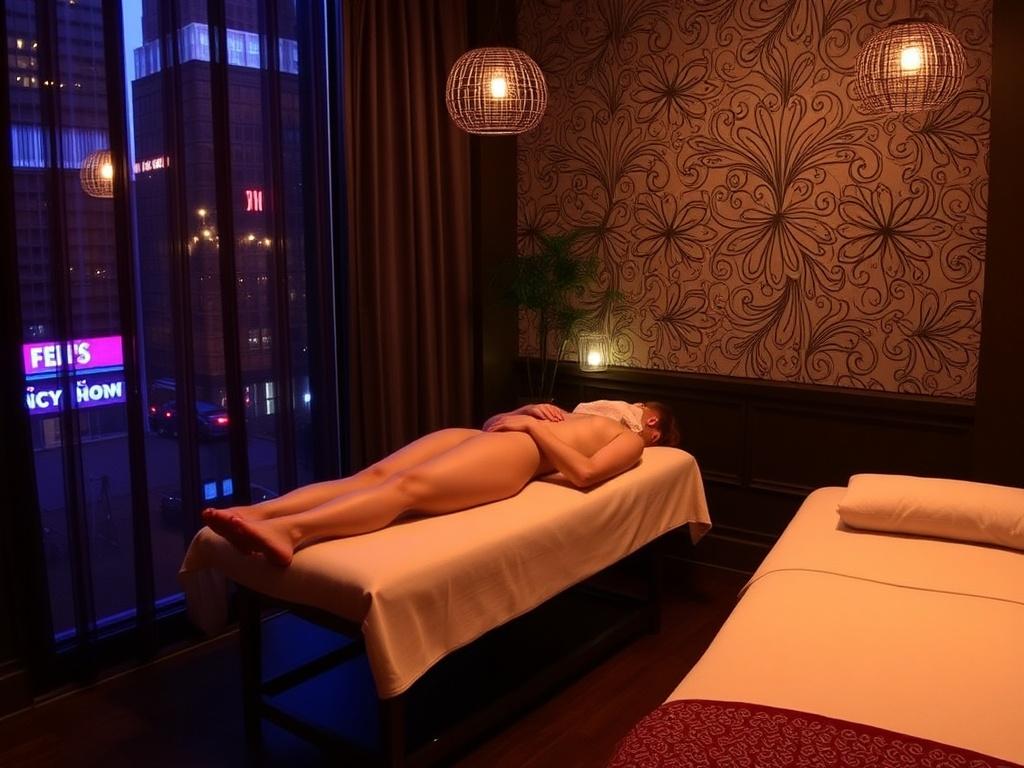

New York City offers an enormous range of massage options: quick chair treatments between meetings, clinical sessions prescribed by physicians, luxurious hotel spas, and independent therapists who bring the table to your apartment. This guide explains how to find trustworthy adult massage services in NYC, what to expect from different styles of bodywork, and how to protect your health, time, and wallet while getting real results.
Whether you’re a local recovering from a week of subway commuting or a visitor carving out an hour of downtime, understanding the landscape—terminology, standards, pricing, and red flags—helps you choose wisely and enjoy the experience fully.
What “Adult Massage” Means and Why Clarity Matters
“Adult massage” usually signals that services are intended for people 18+ and that the provider focuses on legitimate therapeutic or relaxation massage rather than services that fall outside legal and professional boundaries. In practice, it’s useful shorthand for mature-client policies, clear consent protocols, and professional boundaries.
Clear communication distinguishes therapeutic bodywork from anything exploitative. A professional therapist will ask about medical history, explain draping and privacy, confirm the areas they will work on, and establish a signal (usually raising a hand or saying “pressure”) to adjust intensity. If any of that is missing, treat it as a warning sign.
Common Types of Massage and When to Choose Each
Different massage techniques serve different goals. Below are common modalities you’ll encounter across Manhattan, Brooklyn, Queens and beyond, with practical notes on when each is a sensible choice.
- Swedish: Gentle, flowing strokes for relaxation and circulation. Good when you want stress relief and to unwind.
- Deep Tissue: Slower strokes and firmer pressure targeting chronic muscle tension. Choose this if you have persistent tight spots or knots.
- Sports Massage: Focused on athletes’ needs—preparation, recovery, injury prevention. Useful for runners, weight‑lifters, dancers.
- Trigger Point Therapy/Myofascial Release: Precise work on tight spots and fascia. Best when pain is localized and needs targeted intervention.
- Medical/Clinical Massage: Often performed in a clinic setting to address specific diagnoses, sometimes coordinated with physical therapy or physician care.
- Chair Massage: Short (10–30 minute) sessions targeting neck, shoulders, upper back—convenient for office or event settings.
Below is a quick comparison to help you match need to modality. Prices are approximate NYC ranges for a 60‑minute session and will vary by neighborhood and venue.
| Modality | Best For | Typical Session Length | NYC 60‑min Price Range (approx.) | Intensity |
|---|---|---|---|---|
| Swedish | Relaxation, stress relief | 60–90 min | $70–$160 | Light–Moderate |
| Deep Tissue | Chronic muscle tension | 60–90 min | $90–$200 | Moderate–Firm |
| Sports | Pre/post workout, injury care | 45–90 min | $80–$180 | Moderate–Firm |
| Medical/Clinical | Rehab, doctor recommendations | 30–60 min | $80–$220 | Variable |
| Chair | Quick relief at work/events | 10–30 min | $15–$60 | Light–Moderate |
How to Choose a Reputable Therapist or Spa
Reputation matters in a city this big. A reputable provider combines clear credentials, consistent reviews, hygienic facilities, and transparent policies. Look beyond aesthetics: a polished website is nice, but concrete information is better.
When evaluating options, check for the following. Each item below is a practical test you can run before booking or during a first visit.
- Credentials and training—names of schools, certifications, or membership in professional associations.
- Insurance and liability coverage—good signs of professionalism and responsibility.
- Client reviews that describe the treatment in detail, not only the ambiance.
- Clear pricing and cancellation policies listed publicly.
- Clean, orderly treatment rooms and visible sanitation practices (e.g., fresh linens, wiped surfaces).
If something feels off—ambiguous pricing, pressure to tip extra for basic service, or reluctance to discuss credentials—walk away or ask for referrals. A legitimate therapist will understand and respect such questions.
Booking, Etiquette, and Practical Tips for Your Visit
Preparing well makes your session more effective. Arrive 10–15 minutes early to fill out intake forms and orient yourself. Communicate any medical issues such as recent surgeries, high blood pressure, pregnancy, allergies, or medication that affects sensation or bleeding.
Use these guidelines during the session to protect comfort and outcomes:
- Drape yourself as you prefer; therapists should never leave you undraped without consent.
- Speak up about pressure—most therapists will welcome feedback.
- Hydrate and avoid heavy meals immediately before treatment.
- Tipping: 15–25% is common; factor service into your budget.
After the session, drink water and allow time to rest if you received a deep or intense treatment. Some soreness for 24–48 hours can be normal after deep tissue work; gentle stretching and heat can help.
Safety, Boundaries, and Legal Considerations
Safety is both physical and professional. Legitimate massage therapy is therapeutic; any suggestion of sexual services is a red flag and, in many jurisdictions, illegal. Trust your instincts if a therapist’s behavior crosses professional boundaries—comments, touch outside the agreed area, or requests to work without draping are not acceptable.
If you suspect illegal activity, document what you observed (time, place, names) and report it to local authorities or a consumer protection agency. For personal safety, consider bringing a companion to the appointment if that makes you comfortable, and avoid isolated, out‑of‑the‑way locations for a first visit.
Where to Find Adult Massage in NYC: Options and Neighborhood Tips
Each borough offers a different vibe. Manhattan has a high concentration of luxury hotel spas and medical massage clinics, ideal if you want a curated, amenity‑rich experience. Brooklyn has many boutique studios and independent therapists focusing on integrative, community‑oriented approaches. Queens and the outer boroughs often provide excellent value and community clinics where experienced therapists practice.
Options to consider:
- Hotel spas—convenient for travelers and typically upscale, but pricier.
- Independent studios—often more personalized and sometimes better value.
- Medical clinics—integrated care useful for injury or post‑surgical rehab.
- Mobile therapists—great for convenience; confirm they are insured and bring their own linens and table.
Example itineraries: For a business traveler, book a 50‑minute Swedish session in Midtown between meetings; choose a hotel spa for easy access and luggage storage. For a weekend self‑care day, pick a Brooklyn boutique offering a 90‑minute mixed‑modality session followed by tea and quiet relaxation space.
Cost, Value, and How to Get What You Pay For

Price reflects location, therapist experience, venue overhead, and whether you’re buying a basic session or an experience (aromatherapy, hot stones, saunas). A higher price doesn’t guarantee better technique, but extremely low prices should raise questions about hygiene, training, or legitimacy.
Ways to get good value:
- Buy packages cautiously—only if you’re confident in the therapist after one or two sessions.
- Look for specials from reputable studios rather than deals from unknown providers.
- Ask whether follow‑up care (stretching routines, self‑care tips) is included—good therapists add value with guidance.
Remember: the most effective session balances the right technique, clear communication, and follow‑through. That combination is worth prioritizing over the cheapest option.
Comparing Mobile, Medical, and Luxury Spa Experiences
Mobile therapists offer convenience and can be surprisingly thorough, but they rely on portability—expect a foldable table and fewer amenities. Medical settings provide targeted, often results‑focused care and can coordinate with other providers; insurance may cover some sessions if ordered by a physician. Luxury spas deliver atmosphere and extras—steam rooms, robes, extended relaxation—but cost a premium.
Decide by goal: choose medical for injury, mobile for convenience, and luxury for a pampering experience. For long‑term pain issues, prioritize credentials and clinical experience over atmosphere.
Practical Checklist Before You Book

Use this short checklist so you won’t forget critical details when comparing options.
- Is the therapist willing to discuss training and experience?
- Are sanitation and draping practices clear?
- Do reviews describe outcomes, not just decor?
- Is pricing transparent and cancellation policy reasonable?
- Do you feel safe and respected during your first interaction?
Answering “yes” to most of these makes a positive appointment far more likely.
Conclusion
Finding an adult massage in NYC that leaves you relaxed, relieved, and respected is less about luck and more about informed choices: choose the right modality for your needs, verify credentials and sanitation, communicate clearly about pressure and medical history, and watch for professional boundaries. With a little preparation—checking reviews, asking a few pointed questions, and arriving ready to speak up—you can turn any single session into a repeatable part of an effective self‑care routine in the city that never sleeps.