
What Thai Massage Is — Origins, Principles, and How It Differs from Other Bodywork
Thai massage traces its roots to a blend of Indian Ayurvedic medicine and traditional Southeast Asian practices. It grew into a structured, hands-on system—often called Nuad Thai—centered on working along energetic pathways called sen lines, using acupressure, rhythmic compressions, and assisted yoga-like stretches. Unlike oil-based modalities, Thai massage is typically performed over light clothing on a mat or low table and emphasizes movement as much as soft-tissue manipulation.
That practical difference shapes the experience. Where Swedish massage focuses on muscle kneading and relaxation in passive positions, Thai massage invites a dynamic interaction: the practitioner moves the client through postures, applies compressive pressure with thumbs, palms, elbows, sometimes knees, and uses rocking to release tension. The result often feels part massage, part assisted mobility session—useful for people seeking both relaxation and functional improvement in range of motion.
Core Techniques and What Happens in a Typical Session
Several distinct techniques recur in most Thai massage services. Practitioners combine them according to the client’s needs and the clinic’s tradition. Familiarity with these tools makes it easier to communicate preferences and expectations before the session begins.
- Acupressure: Firm, sustained pressure along sen lines to encourage energy flow and relieve tightness.
- Passive stretching: The therapist moves limbs into controlled stretches to increase joint mobility and muscle length.
- Compression and rocking: Rhythmic compressions along muscles and joints to ease stiffness and stimulate circulation.
- Palming and thumbing: Targeted manipulation using palms, thumbs, and sometimes forearms or elbows for deeper release.
Typical session flow follows a logical sequence. The therapist usually starts with centering work—gentle rocking or light pressure to establish comfort—then proceeds through the legs, hips, back, shoulders, and neck, often ending with a restorative period. Sessions range from 30 minutes to two hours. Shorter sessions concentrate on problem areas; full-length sessions provide the full sequence of stretches and pressure work.
Benefits, Evidence, and Practical Considerations
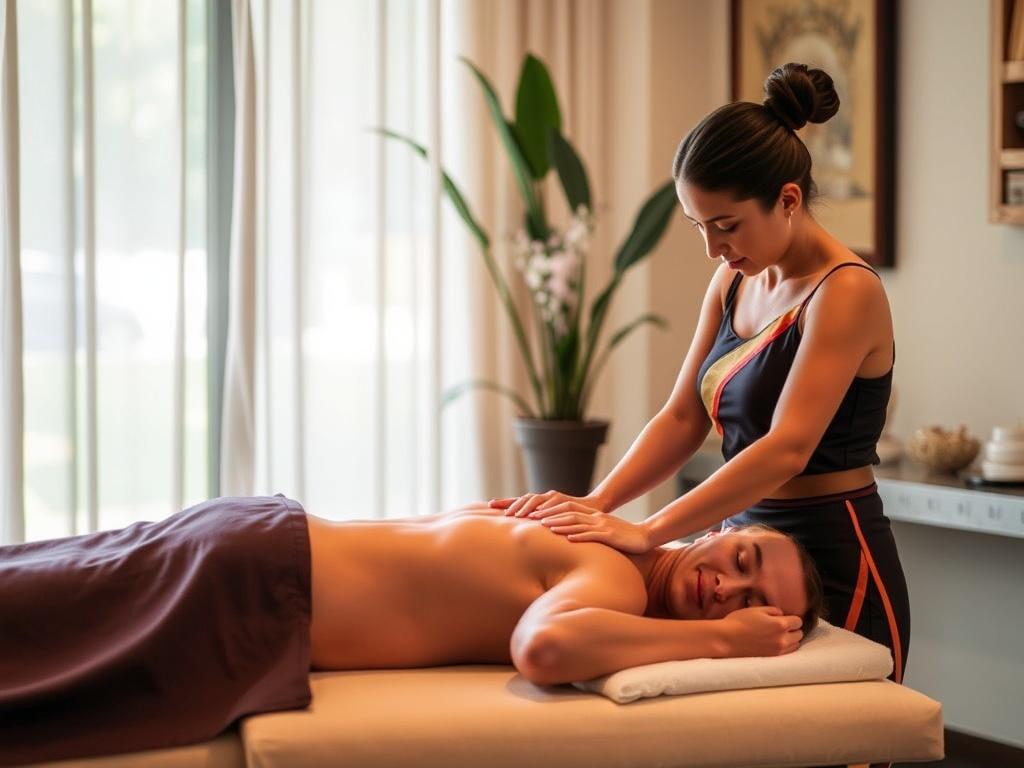
People seek Thai massage for a mix of reasons: chronic low back pain, tight hamstrings, office-related neck tension, or the desire for a deeper stretch than self-care allows. Research supports some of these uses—studies have shown Thai massage can reduce low back pain, improve flexibility, and decrease stress markers compared with no treatment or simple stretching programs. While evidence varies by condition, clinical experience and patient reports consistently highlight improvements in mobility and perceived pain.
Practical expectations matter. Thai massage can be deep and intense; it’s not always a gentle, spa-only experience. Communicate pressure levels and any sensitive areas before the therapist begins. Also consider session frequency: acute problems may need several sessions over weeks, while maintenance work can be monthly or seasonal. Cost, time, and recovery after intense sessions are realistic factors to weigh when planning ongoing care.
Types of Thai Massage Services and Where You’ll Find Them
Not every Thai massage service is the same. Settings influence the style: a traditional temple-trained practitioner in Thailand will offer something different from a wellness spa in a city center or a sports clinic working with athletes. Understanding those differences helps you choose the right place for your goals.
Here’s a quick comparison of common types of Thai massage services, showing typical pressure, setting, and the clients they suit best.
| Type | Typical Pressure | Common Setting | Best For |
|---|---|---|---|
| Traditional Nuad Boran | Medium to deep | Mat on floor, private rooms—often cultural or temple contexts | Flexibility, full-body mobility, cultural experience |
| Spa-style Thai Massage | Light to medium | Spas and resorts on tables or mats | Relaxation with gentle stretches |
| Medical/Clinical Thai Massage | Individualized (light to deep) | Physio clinics, rehabilitation centers | Rehab, pain management, sports recovery |
| Thai Foot and Reflexology | Variable, focused | Foot massage shops, wellness centers | Plantar pain, circulation, localized relaxation |
How to Choose a Provider: Questions, Credentials, and Red Flags
Selecting a therapist requires more than scanning for “Thai massage” on a website. Training and hands-on experience vary widely, and the wrong fit can mean ineffectual treatment or discomfort. Start by prioritizing credentials, practical experience, and clear communication.
- Ask about training: Where did the practitioner train? How long was the program? Did it include anatomy and contraindication education?
- Discuss experience: How many hours of hands-on practice? Do they have experience with your specific issue (e.g., sports injuries, chronic neck pain)?
- Clarify session details: Will it be on a mat or table? What is the usual pressure? Can they modify for pregnancy or medical conditions?
- Check hygiene and environment: Clean linens, clear consent processes, and a comfortable temperature are basic markers of professionalism.
Red flags include evasive answers about training, insistence on deep pressure despite your protest, or lack of a basic intake form asking about medical history. Good therapists will welcome questions, explain their approach, and adapt techniques to your needs.
What to Expect During and After a Session: Etiquette, Duration, and Aftercare
Before the session begins, you’ll usually complete a short intake form covering medical history, medications, and current pain patterns. Dress in loose, comfortable clothing—many therapists prefer lightweight pants and a T-shirt—or accept the clinic’s provided garments. Communicate any recent injuries or surgeries, and be explicit about pressure preferences.
Aftercare is simple but important. Hydrate well to help clear metabolic byproducts released during massage. Gentle movement the same day—walking or light stretching—can maintain improvements in mobility. If you experience soreness after a deep session, a warm bath, rest, and over-the-counter analgesics are typical remedies. If intense pain, numbness, or swelling develops, contact your therapist or a medical professional.
Real-World Examples: How Different Clients Use Thai Massage
Consider three brief cases. An office worker with chronic neck tension booked weekly 60-minute spa-style sessions for two months. The therapist focused on shoulder girdle releases and passive neck stretches; the client reported easier computer posture and fewer headaches. An amateur soccer player scheduled pre-game sessions at a sports clinic using shorter, targeted stretches and compression to enhance readiness and reduce cramping. A traveler in Chiang Mai booked a traditional two-hour session for whole-body relaxation and returned home reporting improved sleep and less jet-lagged stiffness.
These examples show how session length, setting, and therapist focus align with outcomes. Short, targeted sessions suit acute or athletic needs; longer, full-sequence sessions better address chronic stiffness and systemic relaxation.
Safety, Contraindications, and Modifications
Thai massage is safe for many people but not everyone. Contraindications include recent fractures, deep vein thrombosis, uncontrolled high blood pressure, certain infections, and some stages of pregnancy. Therapists trained in clinical settings can often modify techniques for conditions like osteoporosis, but they must be informed ahead of time.
If you have a significant medical condition, get clearance from your primary care provider before trying Thai massage. During the session, stop or request lighter pressure if you feel sharp pain, numbness, or unusual dizziness. A well-trained practitioner will adapt stretches, avoid compressive techniques near vulnerable areas, and integrate gentler modalities when necessary.
Cost, Frequency, and Practical Logistics
Pricing varies by region and setting. Expect lower hourly rates in countries where Thai massage is part of everyday culture and higher prices in urban spas or medical clinics abroad. Frequency depends on your goals: acute pain may require multiple sessions over a few weeks; maintenance might mean monthly visits. Many clinics offer packages that reduce per-session costs for ongoing treatment.
Practical logistics matter too: look for flexible scheduling if you plan weekly sessions, and verify cancellation policies. If traveling, verify whether the therapist accepts walk-ins or requires appointments—popular practitioners in tourist areas often book out in advance. Finally, read recent reviews and, if possible, ask for a short introductory session to test the therapist’s style.
Training, Professional Standards, and Continuing Education
Standards differ worldwide. In Thailand, traditional training can be apprenticeship-based, while many modern practitioners complete formal courses that include anatomy, physiology, and first aid. Outside Thailand, look for therapists who combine traditional Thai techniques with formal education in anatomy or physical therapy. Continuing education is a good sign—workshops on sports applications, medical adaptations, or advanced stretching techniques indicate a practitioner committed to safe, evolving practice.
Professional associations or spa certifications provide additional assurance. They often require documented hours of training and adherence to ethical codes. When in doubt, ask the provider about their latest coursework or the professional groups they belong to.
Conclusion
Thai massage is a versatile, movement-centered form of bodywork that blends acupressure, passive stretching, and rhythmic compression to improve mobility, reduce pain, and promote relaxation. Choosing the right Thai massage service means matching the type of treatment to your goals—relaxation, athletic prep, or rehabilitation—checking practitioner training, and communicating clearly about pressure and health history. When practiced by a trained, attentive therapist, Thai massage can be a powerful, practical tool in a self-care routine or a therapeutic program.