
What sensual massage is — and why it matters
Sensual massage sits at the intersection of touch and connection. It isn’t a clinical therapy nor a scripted sexual act; it’s a way for two people to share presence, ease physical tension, and explore each other’s responses with attention. When done well, a massage creates safety and curiosity, which often leads naturally to sexual intimacy if both partners want that.
Understanding this distinction matters because different goals require different approaches. A therapeutic massage aims at pain relief and posture; a sensual massage emphasizes attunement, slower pacing, and an invitation to relax together. Confusing the two can lead to disappointment or boundary violations. Clear intention up front keeps the experience respectful and enjoyable for both partners.
Consent, communication, and setting expectations
Before a hand ever grazes skin, partners should agree on boundaries and goals. This conversation can be brief but specific: what’s allowed, what’s off-limits, preferred pressure, and whether the massage might transition into sex. Consent is ongoing; checking in during the massage is part of keeping trust intact.
Practical prompts to start the conversation include questions like: “Do you want a relaxing touch or something more arousing?” and “If I touch an intimate area, is that okay?” Such direct language removes guesswork. Many couples find it useful to agree on a word or gesture that pauses the experience without embarrassing either person.
Preparing the space and tools
The environment influences how easily partners relax. Temperature, lighting, sound, and scent all shape the mood. Aim for a warm room, soft lighting (lamps or candles rather than harsh overheads), and a playlist that fades into the background. Silence can be intimate too, but many people benefit from steady, unobtrusive music.
Essential items to have on hand:
- Soft towels or a massage sheet to protect bedding.
- Low-fragrance massage oil or a light lubricant—more on options below.
- A bolster or pillow to support knees and ankles.
- A timer or watch so you can focus on touch rather than clock-watching.
Keep the space uncluttered. Small touches—like having water nearby and a trash bowl for used wipes—reduce interruptions and preserve the flow of touch.
Techniques and an easy 20‑minute flow
Successful sensual massage emphasizes rhythm, pressure that adapts to the recipient’s feedback, and a slow build-up. Think in terms of zones: back and shoulders first, then arms and legs, with more intimate areas approached only with explicit permission. Use the whole hand: heels of palms for broad strokes, thumbs and fingertips for more concentrated work.
Here’s a practical 20-minute sequence you can try. Modify timing and pressure to suit your partner:
- Minute 0–3: Broad, calming strokes down the back to spread oil and establish rhythm.
- Minute 3–7: Focus on shoulders and upper back; alternate long strokes with gentle thumb pressure along muscle lines.
- Minute 7–10: Move to the arms and hands, using light kneading and finger pulls to relieve tension.
- Minute 10–14: Thighs and calves with long, warming strokes; keep pressure consistent and watch for nonverbal cues.
- Minute 14–17: Return to the upper back and neck, finishing with slow, soothing circular motions near the nape.
- Minute 17–20: Slow everything down, offering a gentle scalp or foot rub as an optional close. Pause and ask if they want to continue or change direction.
Throughout, synchronize your breathing with your partner’s and keep your movements deliberate rather than hurried. Small adjustments—lighter pressure, slower speed—often communicate care more convincingly than stronger strokes.
Transitioning from massage to sex: cues and consent

Moving from massage into sexual activity should feel like a mutual step forward, not a surprise. Watch for verbal signs of openness (“That feels amazing, I want more”) and nonverbal cues—relaxed breathing, leaning in, making eye contact. Still, never assume; a short check-in such as “Would you like this to continue more intimately?” provides a loving moment of clarity.
Respecting a “no” or a hesitating response is central to a healthy sex life. Many couples find that framing the transition as an invitation rather than an expectation reduces pressure and increases willingness. If one partner declines, you can offer to continue the massage or shift to cuddling—both are intimate and affirming options.
Choosing oils, lotions, and tools
Product choice affects texture, absorption, and allergy risk. Here’s a simple guide to common options so you can match product characteristics with your needs and preferences.
| Product | Texture | Absorption | Allergy risk | Best use |
|---|---|---|---|---|
| Coconut oil | Medium-thick, slightly dry | Moderate—leaves some residue | Low for most, higher for nut-sensitive people | Good for body, not ideal for latex condoms |
| Sweet almond oil | Silky, smooth | Moderate-fast | Higher for nut allergies | Popular for full-body massage |
| Jojoba oil | Light, non-greasy | Fast | Low | Suitable for sensitive skin and facial areas |
| Grapeseed oil | Light, thin | Fast | Low | Budget-friendly, good for long sessions |
| Commercial silicone-based lubes | Silky, long-lasting | Very low absorption | Depends on ingredients | Useful when extended glide is needed; avoid with silicone toys |
Patch-test new products on a small area before a full application, and avoid scented oils if either partner is sensitive. If condoms will be used later, choose a product compatible with them—oil-based products degrade latex.
Comparing partner massage to professional services
Professional massages offer consistent technique and knowledge about anatomy; they’re ideal for treating chronic pain and for learning. Partner massages, however, bring emotional benefits: touch from a loved one often triggers oxytocin and fosters intimacy in ways a session with a therapist cannot. For many couples, the two complement each other—use professional sessions for structural issues and home sessions to maintain connection.
Consider a hybrid approach. Schedule occasional professional massages and practice simplified versions of those techniques at home. Watching a therapist’s approach—pressure, hand positioning, tempo—can be instructive for partners trying to improve their touch.
Common mistakes and how to avoid them
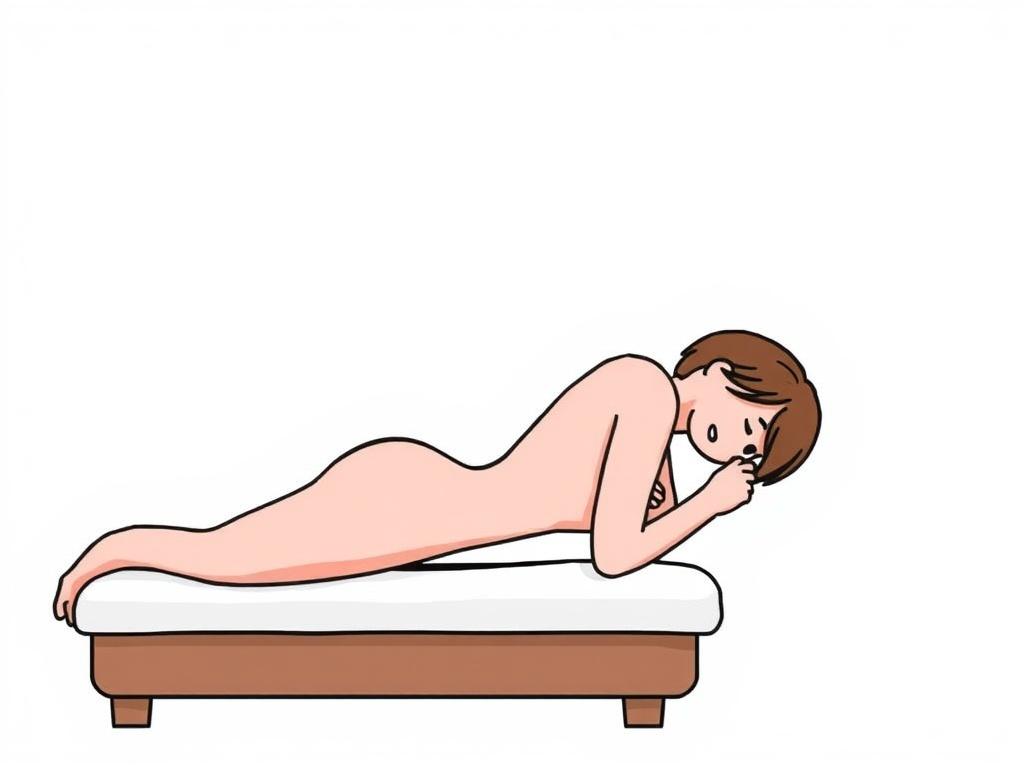
Couples often run into the same pitfalls when experimenting with sensual massage. Recognizing these early keeps small issues from becoming friction points.
- Rushing: Slow down; the goal is connection, not speed.
- Ignoring feedback: If a partner flinches or tenses, stop and ask what they need.
- Using the wrong product: Test products first to avoid irritation.
- Assuming more intimacy equals success: Some partners prefer slow, affectionate touch rather than a sexual escalation.
- Poor positioning: Uncomfortable neck or back positions break the mood—use pillows and bolsters.
Work on one correction at a time. Small improvements compound—better pressure, clearer communication, or a warmer room can dramatically improve the experience.
Special situations: beginners, long-term couples, and health concerns
For beginners, start with a short session and keep expectations modest. Five to ten minutes of focused touch can build confidence and establish a pattern of checking in. Long-term couples might benefit from scheduling regular massage nights to counteract habituation; the ritual itself renews attention.
If either partner has medical issues—recent surgery, skin conditions, high blood pressure, or pregnancy—consult a healthcare provider before attempting a massage. Certain conditions require modified techniques or should avoid deep pressure altogether. When in doubt, prioritize safety over experimentation.
Practical takeaways
To turn massage into a reliable channel for intimacy, practice these fundamentals consistently: explicit consent, slow and adaptive touch, an inviting environment, and safe products. Use short sessions to build confidence, and treat each massage as an opportunity to listen rather than perform.
Over time, the shared language of touch becomes a tool couples use to relieve stress, reconnect after conflict, and explore physical closeness with mutual respect. That, more than any technique, is what makes a massage truly sensual.
Conclusion
Sensual massage is a skill you develop together: it requires clear consent, attention to environment and products, simple but adaptable techniques, and a willingness to check in with one another. When done with care, it reduces tension, nurtures emotional closeness, and can serve as a graceful bridge to sex—or stand alone as its own intimate act. Start slow, communicate often, and let touch be a conversation rather than a checklist.