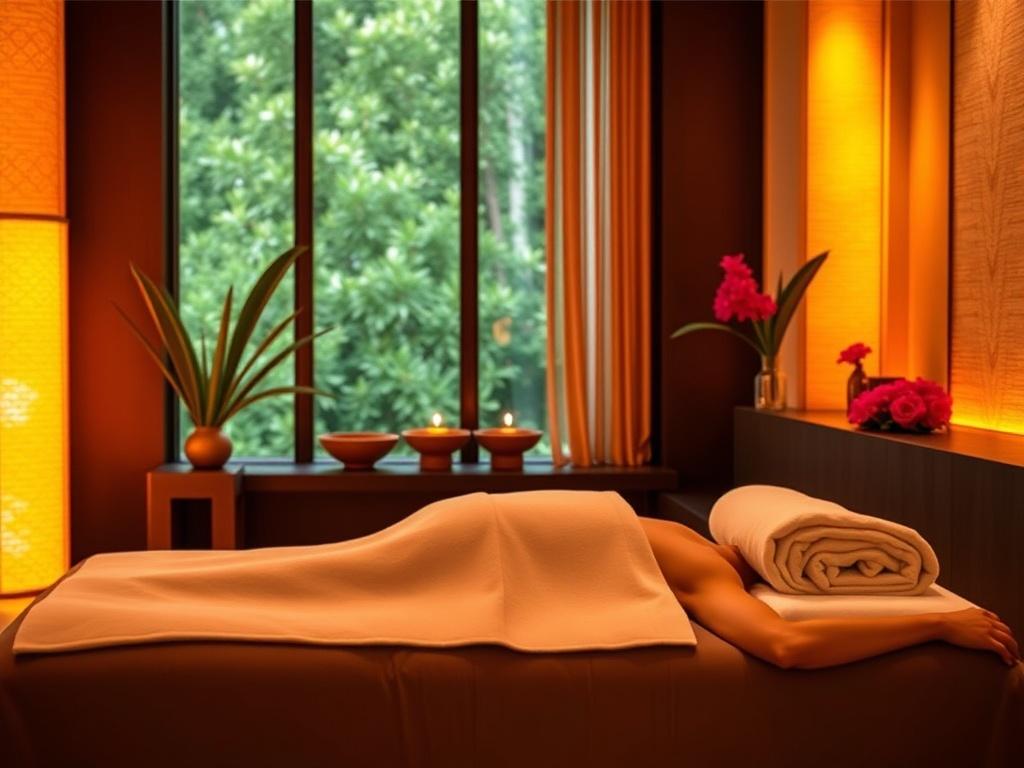

What is Thai massage and how does that affect price?
Thai massage is a distinct healing tradition that combines rhythmic compressions, stretching, and joint mobilization. It originated in Southeast Asia and is often performed on a mat on the floor with the client fully clothed, although many spas also offer oil-based variants on a table. The method’s hands-on, full-body approach means sessions are labor-intensive and typically longer than a quick rubdown.
Because the technique relies heavily on the therapist’s skill—timing, pressure, knowledge of energy lines (sen), and safe stretching—the provider’s experience influences cost more than for many other massage styles. A highly trained practitioner who can tailor sequences for neck pain, sciatica, or flexibility will normally command a higher fee than an entry-level therapist.
Key factors that determine Thai massage price
Several variables influence what you’ll pay for a Thai massage. Location is the easiest to see: metropolitan centers and tourist hotspots will charge more than small towns. But beneath that obvious influence lie other important cost drivers.
- Therapist experience and certification: Experienced therapists or those trained in reputable Thai schools cost more.
- Session length and format: Standard lengths are 60, 90, or 120 minutes. Longer sessions raise the price but may deliver better therapeutic value for deep work.
- Venue type: A street-side shop, a private clinic, a day spa, and a five-star resort all come with different overhead and expectations.
- Additional therapies: Herbal compresses, hot stones, or oil add to the total and to the therapist’s preparation time.
- Regional economy: Local wage levels and rent factor into pricing—prices in Bangkok will differ from prices in New York or London.
Understanding these variables helps you judge whether a quoted price is reasonable for the service you want.
Pricing models you’ll encounter
Establishments typically price by session rather than by technique. You’ll see flat rates for a 60- or 90-minute session, package discounts for multiple visits, and sometimes membership or subscription models for regular customers. Some traditional Thai centers in Thailand even offer group sessions or shorter “express” options at steeply lower rates.
Clinics that focus on medical or sports Thai massage may bill higher or offer per-treatment pricing tied to rehabilitation plans, while walk-in massage shops tend to promote low, hourly rates to attract tourists and casual customers.
Typical price ranges around the world (comparative table)
Below is a practical snapshot of common price ranges for a 60-minute Thai massage. These are typical figures, not fixed rules; you’ll find outliers on both ends.
| Location | Typical 60-min Price (local) | Approx. USD | Notes |
|---|---|---|---|
| Bangkok, Thailand (budget/shop) | 200–400 THB | $6–$12 | Basic shops near tourist areas; often on mat. |
| Bangkok, Thailand (spa/resort) | 800–2,500 THB | $24–$75 | Higher hygiene standards, private rooms, added amenities. |
| United States (city) | $70–$150 | $70–$150 | Price depends on therapist, clinic, and whether oil or table used. |
| United Kingdom | £40–£80 | $50–$100 | Private clinics and day spas set higher prices in major cities. |
| Australia | AUD 80–150 | $50–$95 | Regulated clinics and sports therapists are generally pricier. |
| Europe (average) | €50–€120 | $55–$130 | Varies widely by country and whether it’s a wellness spa or clinic. |
These figures give a baseline for comparison. If a price seems unusually low, check hygiene, qualifications, and whether the massage is cut short or bundled with others in a group setting.
How Thai massage pricing compares with other massage types
Thai massage often costs similarly to other hands-on modalities like deep-tissue or sports massage when done by a skilled practitioner. Compared with a basic Swedish massage, Thai work can be slightly more expensive because it often includes assisted stretches and more active therapist engagement over a longer period.
Here’s a quick comparison in practical terms:
- Swedish massage: Typically aimed at relaxation, less intense stretching—may be cheaper in budget settings.
- Deep-tissue massage: Focuses on deeper muscle layers and may cost the same or more than Thai massage depending on therapist specialization.
- Thai oil massage: Combines Thai techniques with oil and table work; often priced higher than traditional dry Thai massage.
When deciding what to pay for, think about your goal: relaxation, flexibility, or therapeutic relief. That will guide whether price or specialty matters more.
How to budget and still get quality
If you’re new to Thai massage or watching your spending, a few tactics let you manage cost without sacrificing safety or effectiveness. First, book a shorter introductory session—45 to 60 minutes—so you can test technique and therapist rapport.
Look for vouchers or package discounts, but read the fine print. Student clinics affiliated with massage schools offer supervised sessions at a fraction of the cost; these can be excellent value if you’re comfortable with trainees. Community health centers and corporate wellness programs sometimes include discounted sessions as well.
- Try a short session first—then upgrade if you like the therapist.
- Ask about package deals or memberships if you plan regular visits.
- Consider off-peak appointments for lower rates.
Choosing between price and quality: what to ask before booking
Price shouldn’t be the only selection criterion. Before you book, ask the provider about training, how long they’ve practiced Thai massage, and whether they offer targeted treatments for your needs. A reputable clinic will welcome questions and explain its approach.
Other practical questions include whether the massage is performed on a mat or table, whether oil or herbal compresses are used, and what the cancellation policy is. If a therapist claims unusually fast results or uses pressure that feels unsafe, reconsider—good therapists prioritize client safety and communicate throughout the session.
Real-world examples to illustrate choices

Example 1 — Tourist in Bangkok: You might choose a 60-minute session at a reputable mid-range spa for 800–1,200 THB (~$24–$36) to balance cost, cleanliness, and a professional setting. If you’re on a tight budget, a 200–400 THB shop gives an authentic experience but expect a noisier environment and basic facilities.
Example 2 — Office worker in New York: For chronic neck and shoulder tension, pay $100–$150 for 60–90 minutes with a therapist experienced in therapeutic Thai techniques. Cheaper walk-in options may help with immediate relaxation but might not address long-term issues as effectively.
What to expect during a session and how that ties to price
A 60- to 90-minute Thai session typically begins with a short consultation to understand your issues and goals. The therapist will guide you into clothing appropriate for movement or provide loose garments. The session combines rhythmic pressure, passive stretching, and mobilizations that can feel quite different from oil-based massages.
Higher-priced sessions often include extras: longer consultation, more individualized sequencing, higher therapist training, and amenities like private rooms, hot showers, or herbal compresses. Lower-priced options may focus on standard sequences with fewer personal adjustments.
Payment, tipping, and etiquette
Tipping norms vary by country. In the United States, tipping 15–20% for good service is common. In Thailand, tipping is appreciated but not required; many tourists leave small cash tips for excellent service. Some spas include a service charge—check your bill before tipping extra.
Also be mindful of cancellation policies. Many reputable clinics require 24 hours’ notice for cancellations; last-minute cancellations or no-shows can incur fees. If you’re unsure about the therapist’s style, ask for a shorter appointment or a chance to change therapists after the first visit.
Final practical checklist before you book
- Confirm the session length and whether price includes extras (compress, oils).
- Check qualifications and read recent reviews.
- Ask where the session will be performed—mat or table—and whether clothing is provided.
- Verify cancellation and gratuity policies so there are no surprises.
Conclusion
Thai massage prices reflect a mix of therapist skill, session length, venue, and local economics. Low-cost options exist and can be perfectly fine for relaxation; for therapeutic aims or chronic issues, investing in a qualified practitioner often yields better results. Use short sessions to sample therapists, look for transparent pricing and clear policies, and weigh amenities against actual treatment quality—doing so will help you get the most value from each appointment.