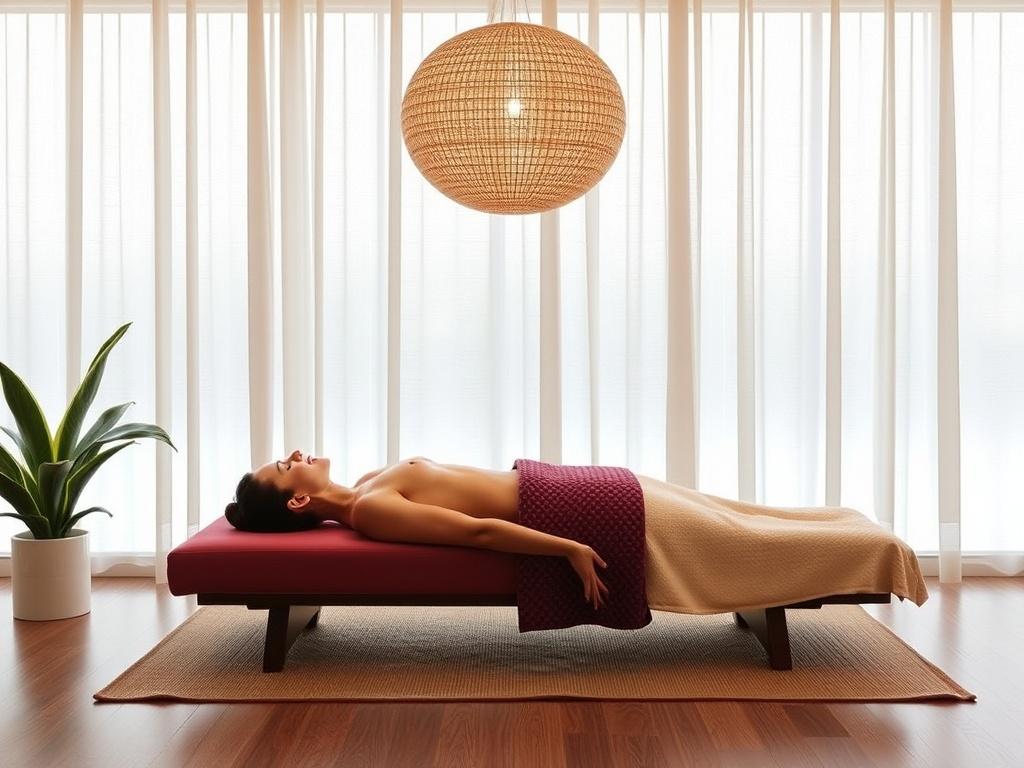

Body-to-body massage is a niche technique that has drawn curiosity and confusion in equal measure. In New Jersey, as in other states, it occupies a gray area for many people: some see it as an advanced therapeutic method, others worry about boundaries and legality. This guide explains what the technique involves, how it differs from mainstream modalities, and how to find reputable, licensed practitioners in New Jersey.
My aim is practical: give you clear, evidence-aware information and realistic steps you can take before booking a session. Expect comparisons, checklists, and examples you can use when talking to a therapist or evaluating a spa.
What “Body-to-Body” Massage Actually Means
“Body-to-body” describes massage work where the therapist uses more than hands and forearms—often employing the forearms, torso, thighs, or even chest in contact with the client. It’s a hands-on, full-surface approach intended to increase the surface area of contact, enhance warmth, and create sustained pressure patterns that are hard to mimic with hands alone.
There are several variations. In some therapeutic contexts the technique is adapted to address large muscle groups (for example, using the therapist’s forearm and torso to glide along the client’s back). In other settings, particularly outside clinical practice, the presentation and intent can vary—so understanding context, purpose, and professionalism is vital before you book.
Therapeutic Benefits and the Evidence
Advocates report benefits similar to other types of massage: relaxation, improved circulation, reduction in muscular tension, and a sense of warmth and grounding. The wider contact area can distribute pressure more evenly and reach deeper layers with less discomfort than concentrated hand pressure.
That said, rigorous research specifically on body-to-body techniques is limited. Most evidence supporting the benefits is extrapolated from studies on massage therapy in general. If you’re seeking treatment for a specific condition—like injury-related tension, chronic pain, or lymphedema—ask the therapist about clinical experience, contraindications, and whether an evidence-based plan will be used alongside other medical care.
How It Differs from Other Massage Modalities
Comparing modalities helps clarify when body-to-body might be appropriate. Below is a simple visual and practical comparison to show where it fits among common styles.
| Modality | Primary Contact | Typical Goals | Session Notes |
|---|---|---|---|
| Swedish Massage | Hands and forearms | Relaxation, improved circulation | Standard, widely taught; suitable for beginners |
| Deep Tissue | Hands, elbows | Release chronic muscle tension | Often intense; requires clear communication about pressure |
| Thai Massage | Hands, feet, therapist’s body weight used strategically | Stretching, energy line work | Often performed on a mat; clothed client |
| Body-to-Body | Extended skin-to-skin or over-sheet contact with torso/legs | Large-area pressure, warmth, sensory grounding | Can feel more intimate; professional boundaries and draping are essential |
As the table shows, body-to-body occupies a place between traditional Swedish and more movement-based modalities like Thai massage. The difference is tactile density and the use of larger therapist body surfaces to create pressure and glide.
Legal, Ethical, and Safety Considerations in New Jersey
New Jersey requires massage therapists practicing in the state to be licensed by the New Jersey Board of Massage and Bodywork Therapy. Licensing ensures basic education, passing of standardized exams (typically MBLEx), and a background check. Before booking, verify the therapist’s license number through the state’s online license verification portal.
Because body-to-body may appear more intimate than other styles, understanding legal and ethical boundaries is important. Licensed professionals must follow state rules about informed consent, draping, and sexual misconduct. If a therapist pressures you to undrape beyond your comfort level, makes inappropriate comments, or the environment feels clandestine, exit the situation and report the business to the state board.
How to Find a Reputable Practitioner in New Jersey
Finding a skilled, trustworthy therapist requires a bit of homework. Here are practical steps you can take when searching for body-to-body services in NJ.
- Verify licensure: Ask for the practitioner’s LMT license number and confirm it on the NJ Board website.
- Read reviews: Look for consistent themes in client reviews—professionalism, cleanliness, communication.
- Ask about training: Inquire where they learned body-to-body techniques and how often they update their skills.
- Confirm policies: Check cancellation, hygiene, and draping policies before booking.
- Trust your instincts: If a place avoids answering questions or makes you uncomfortable, walk away.
Many clinics and licensed spas will describe their approach clearly on websites. Independent practitioners may work from private studios—if so, ensure the space looks professional, is clean, and that the therapist uses written intake forms and a treatment consent process.
What to Expect During a Session and Etiquette
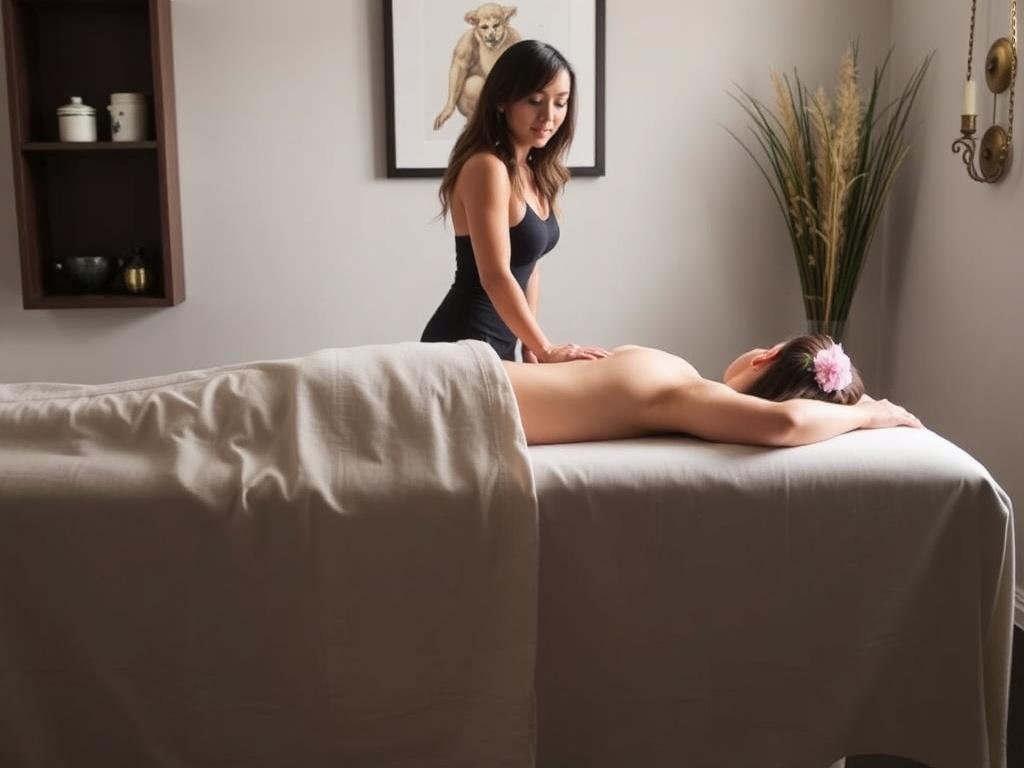
A typical session begins with an intake: a short interview about health history, pain areas, and goals. For body-to-body work the therapist should explain the technique, how draping will be handled, and get explicit consent for the scope of contact. Clear communication about pressure and discomfort is essential.
Standard etiquette and professional norms include:
- Draping: Only the area being worked on should be uncovered, and sheets or towels are used appropriately.
- Consent: Ongoing verbal consent should be respected—either party can pause or stop at any time.
- Clothing: Depending on your comfort and the therapist’s policy, work may be done over a thin sheet, underwear, or with further coverage.
- Feedback: You should be encouraged to tell the therapist about pressure and comfort throughout the session.
If anything feels wrong—requests for sexual activity, removal of all draping for non-medical reasons, or pressure to tip beyond standard practice—terminate the session and report the practitioner to authorities and consumer review sites.
Practical Examples and Real-World Scenarios
Example 1: A marathon runner has persistent tightness across the back and glutes. A licensed therapist uses body-to-body techniques—firm, broad forearm contact and torso weight distribution—to produce a soothing, sustained pressure that addresses large fascial planes. The runner reports less soreness and improved range of motion when combined with mobility work.
Example 2: A client seeks relaxation and books a session at a spa advertising body-to-body massage. Prior to the appointment they call to clarify draping and professional boundaries. At the session, the therapist explains the method, uses modesty covers, and focuses on comfort—resulting in a relaxing, non-threatening experience. This underscores the value of pre-booking questions and clear communication.
Pricing, Insurance, and Value in New Jersey
Prices vary by city and type of facility. In New Jersey, a typical 60–90 minute specialized session can range widely: expect $80–$160 for licensed clinics and spas, with higher-end luxury spas charging more. Home visits and independent professionals may be lower or higher depending on travel and specialization.
Most insurance plans do not cover general massage for wellness, but some may cover medical massage prescribed by a physician for a specific condition. Before assuming coverage, verify with your insurer and get necessary documentation from your healthcare provider. For value: consider package deals, targeted treatments (shorter, more frequent sessions), and choosing a provider with a demonstrable track record for the issue you want to address.
Training and Credentials to Look For
Always look for a Licensed Massage Therapist (LMT) trained in accredited programs. Additional credentials that matter include continuing education in therapeutic modalities, certifications in medical or sports massage, and CPR/first aid training. The national exam commonly used is the Massage & Bodywork Licensing Examination (MBLEx), and many NJ practitioners will list this on their profiles.
Specialized training in body-to-body techniques, structural integration, or fascial work indicates that the therapist understands both technique and safety. When in doubt, ask about supervised clinical experience and how they adapt techniques for medical conditions, pregnancy, or injury.
Practical Checklist Before Booking
Before you book, run through a quick checklist: Confirm license, read reviews, understand draping and consent policies, ask about experience, and verify cost and cancellation fees. Doing this small amount of research dramatically reduces the chance of an uncomfortable or unprofessional experience.
When you arrive, maintain clear communication and remember that professional therapists prioritize safety, consent, and therapeutic outcomes over anything else.
Conclusion
Body-to-body massage in New Jersey can be a valuable addition to a wellness or recovery routine when delivered by a licensed, experienced practitioner who follows clear boundaries and evidence-based practice. Do your homework: verify licensure, ask questions about training and draping, and trust your instincts. If the technique fits your goals—large-area pressure, warmth, sensory grounding—it can be effective and deeply relaxing; if not, there are many other well-established massage modalities available. Prioritize professionalism and safety, and you’ll increase the odds of a helpful, respectful session.