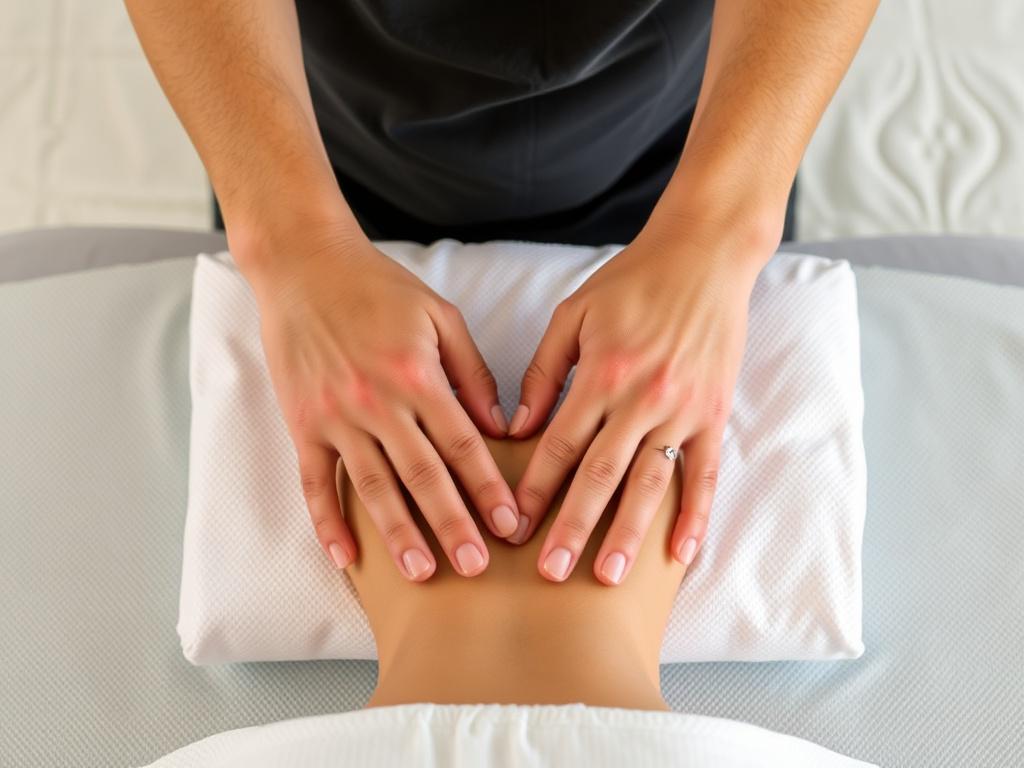

What is a 4‑Hands Massage?
A 4‑hands massage, often written as “four‑hand” or “4‑hands” massage, involves two therapists working on one client simultaneously. Rather than one set of hands moving across the body, you experience two pairs working in concert—mirroring, alternating, or complementing each other’s techniques. It’s a format used in spas, medical clinics, and athletic recovery centers for both relaxation and therapeutic goals.
On the surface it may look like two therapists doing the same routine twice as fast. In practice, a well‑executed 4‑hands session is more than duplication: it’s choreography. Therapists coordinate pressure, timing, and touch to create a continuous, enveloping sensation that can feel more immersive than a single‑therapist session.
How It Works and Common Techniques
Successful 4‑hands work requires planning and communication between the therapists. Before the session they agree on the scope—areas to emphasize, pressure levels, any contraindications—and decide whether they will mirror each other precisely, work in complementary patterns, or alternate focal points. That collaboration is what makes the experience feel seamless rather than chaotic.
Techniques used in 4‑hands massage draw from many traditions: Swedish strokes (effleurage, petrissage), neuromuscular release, myofascial techniques, and even elements of lymphatic drainage. The therapists may synchronize their movements over large areas like the back or legs and then split to address specific knots or tension points in sequence.
Typical Patterns
Patterns help create a predictable rhythm that the client can relax into. Common patterns include synchronized stroking across the back, alternating compressions along the spine and scapulae, and one therapist holding static compressions while the other performs mobilizing techniques.
Synchrony vs Complementarity
When therapists mirror each other, the sensation is symmetrical and hypnotic—good for deep relaxation. Complementary approaches let one therapist maintain broad, soothing strokes while the other applies focused pressure to trigger points. Which approach is best depends on goals: full relaxation tends to favor synchrony; therapeutic release often benefits from a complementary strategy.
Benefits and the Evidence Behind Them
Clients commonly report enhanced relaxation, a greater sense of being “held,” and more thorough tension release after 4‑hands sessions. The combined stimulation can intensify parasympathetic activation—slowing heart rate and lowering stress hormones—producing a deep state of calm more quickly than a single therapist may achieve.
Scientific evidence specific to 4‑hands massage is limited but promising. Small trials and clinical reports indicate improved subjective outcomes for anxiety, mood, and perceived pain compared with single‑therapist massage. Mechanistically, the effects are likely mediated by a mix of physiological pathways—reduced sympathetic activity, increased vagal tone, and sensory gating that alters pain perception.
Who Should Consider a 4‑Hands Massage—and Who Should Not
4‑hands massage suits people seeking deep relaxation, those who feel they need more intense pressure without discomfort, and clients who enjoy immersive sensory experiences. Athletes sometimes use it during recovery windows because two therapists can cover more muscle groups quickly and address bilateral imbalances in one session.
However, it’s not for everyone. People with certain medical conditions should avoid or adapt 4‑hands sessions. Consult a healthcare provider if you have cardiovascular disease, uncontrolled hypertension, deep vein thrombosis, recent surgery, active infections, or fragile skin conditions. Pregnant clients should only receive 4‑hands work from therapists trained in prenatal massage and comfortable with the modality.
- Suitable for: stress reduction, chronic muscle tension, pre‑event relaxation, recovery work.
- Use caution if: cardiovascular instability, recent surgery, blood clot history, pregnancy without prenatal-trained therapists.
- Contraindicated: open wounds, skin infections, fever, certain unstable medical conditions.
What to Expect: Session Flow, Communication, and Etiquette
A typical 4‑hands session begins like any therapeutic session: intake and screening. Therapists ask about medical history, current complaints, and pressure preferences. Because two practitioners are involved, you may be asked to explain your comfort level to both so they share a unified approach.
During the massage, breathing, and feedback help tailor the experience. If pressure feels too intense, tell either therapist—both will adjust. It’s common for therapists to check in briefly at natural pauses, though silence is also acceptable if you prefer to relax uninterrupted. Most clients lie face down for back work, then turn face up for anterior work; therapists coordinate these transitions to maintain flow and dignity.
- Arrival: arrive 10–15 minutes early to complete forms and discuss concerns.
- Clothing: you undress to your comfort level; draping is used to maintain privacy.
- Communication: use simple cues—lighter/heavier pressure, stop, or that it feels good.
- Tipping: follow local custom; tips are typically shared with both therapists.
Choosing Therapists and Practical Considerations
Not all therapists are trained or experienced in 4‑hands work. Look for practitioners who have completed specific 4‑hands training or who frequently collaborate. Chemistry and choreography between therapists matter: two inexperienced therapists working together can create mismatched pressure and timing, which undermines the experience.
If you have an area of concern—like a stubborn knot—ask whether one therapist will focus there while the other maintains broader strokes. Some clients prefer matched pairs (therapists of similar size and strength) to avoid one therapist overpowering the other. It’s reasonable to request a female or male pair if that makes you more comfortable.
| Feature | 4‑Hands Massage | Single‑Therapist Massage | Couples (Side‑by‑Side) |
|---|---|---|---|
| Sensation | Enveloping, synchronized or complementary | Focused, individualized | Shared experience, separate treatments |
| Therapeutic depth | Often deeper due to multi‑point stimulation | Targeted release at one point | Depends on each therapist’s approach |
| Cost | Higher—two therapists | Moderate | Moderate to high, depending on setup |
| Best for | Deep relaxation, immersive sessions | Specific rehab or focused work | Shared couples’ relaxation |
Cost, Duration, and Practical Variations
Because two professionals are involved, 4‑hands massage typically costs more than a single‑therapist session—often 1.5 to 2 times the price, depending on location and the therapists’ credentials. Session lengths commonly run 60 to 90 minutes; 90 minutes allows both broad and focused work without rushing.
Spas and clinics offer variations to suit different needs: express 30‑ to 45‑minute 4‑hands sessions that focus on back and neck, full‑body 60‑ to 120‑minute sessions, or hybrid formats combining aromatherapy, hot stones, or Thai stretching elements. Ask about preparation—some facilities provide showers and private changing rooms, which adds to the comfort and practicality of the visit.
Practical Tips for Getting the Most from a 4‑Hands Massage
Preparing small details makes a big difference. Hydrate before and after the session to help flush released metabolites. Avoid heavy meals immediately beforehand. Bring clear instructions about pressure preferences and any sensitive areas. If you’re trying 4‑hands for the first time, consider a 60‑ to 75‑minute session rather than a very long session to gauge your response.
Pay attention to breathing. Slow, steady breaths make it easier to relax into the synchronized touch. If you experience sensory overload or discomfort, ask for a momentary pause while therapists regroup. A skilled team will adapt quickly and may shift to complementary work that feels less intense.
Training, Ethics, and Professional Standards
Therapists performing 4‑hands work should be licensed and follow the same ethical and hygiene standards as any professional massage provider. Additional training in coordination, draping, and safety reduces the risk of miscommunication and injury. Clinics that offer 4‑hands sessions should disclose cancellation policies, informed consent procedures, and any shared-practice arrangements for tipping and sanitation.
From an ethical standpoint, consent and boundaries are crucial. Two therapists working in close proximity around a single client requires clear, ongoing permission for touch. Reputable practices will document consent at intake and provide an opportunity to withdraw consent during the session without pressure.
Research Notes and Mechanisms
Although the body of research specific to 4‑hands massage is smaller than for general massage therapy, small studies and clinical observations point to stronger subjective relaxation and sometimes greater reductions in reported pain and anxiety. The likely mechanisms include enhanced activation of the parasympathetic nervous system, multisite somatosensory input that modifies pain processing, and the psychological effect of increased attention and perceived care.
More rigorous, controlled trials would help clarify which patient groups benefit most and which protocols yield the best outcomes. For now, evidence supports using 4‑hands massage as a complementary approach when relaxation or broad musculoskeletal release is the goal, while remaining cautious for clients with specific medical risks.
Real‑World Examples
At a destination spa, a guest booked a 90‑minute 4‑hands session to decompress after travel. The synchronized long strokes helped reduce jet‑laged tension across shoulders and hips. An athletic recovery clinic used a 60‑minute complementary 4‑hands protocol to manage bilateral hamstring tightness, with one therapist lengthening fascial lines while the other mobilized adjacent joints, speeding the athlete’s return to training.
In a rehabilitation setting, therapists coordinated to maintain therapeutic pressure while supporting postoperative precautions. In each case, planning and verbal consent beforehand were what separated a successful intervention from an awkward or uncomfortable session.
Final Practical Checklist
- Confirm therapists’ credentials and 4‑hands experience before booking.
- Communicate medical history and pressure preferences clearly.
- Allow time to settle before and after the session; hydrate.
- Start with a moderate session length if it’s your first time.
- Request a pause or adjustment whenever needed—your comfort is primary.
Conclusion
Four‑hand (4‑hands) massage is a distinct format that amplifies the therapeutic and relaxing potential of touch by bringing two therapists to one client. When performed by trained, communicative practitioners, it produces a rich, enveloping sensation that can accelerate relaxation and offer comprehensive muscle release in less time than a single‑therapist session. It isn’t a one‑size‑fits‑all solution—medical cautions, cost, and personal comfort matter—but for many people the experience is transformative: efficient, deeply relaxing, and memorably different from standard massage.