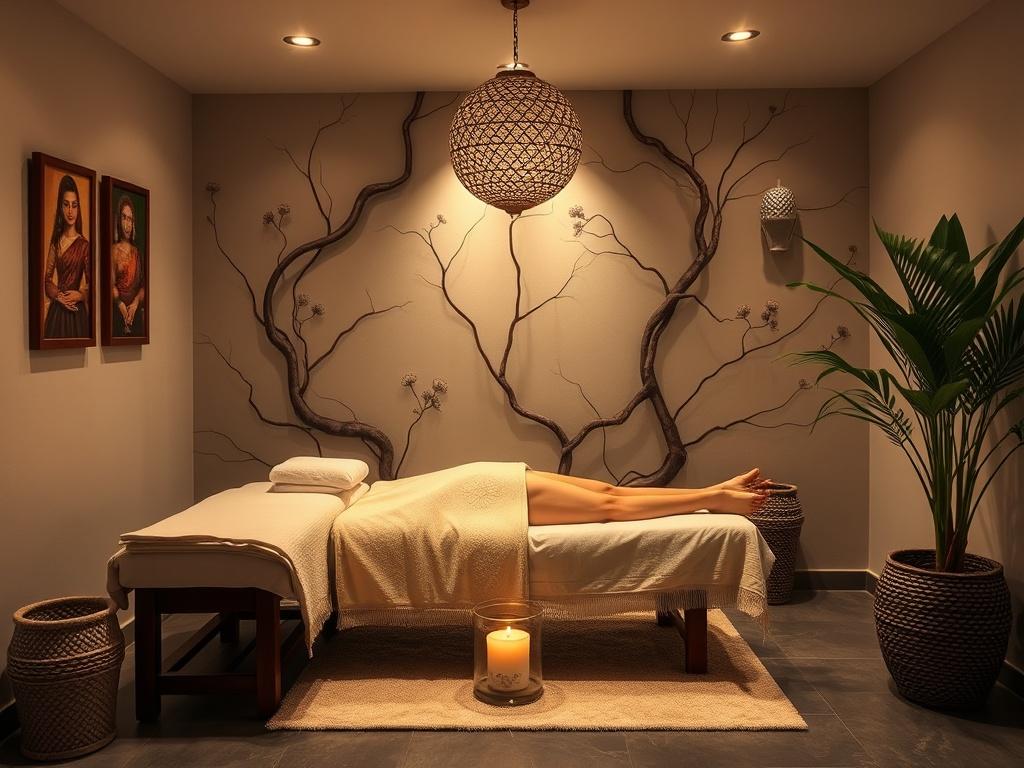

Nuru massage studios occupy a niche between therapeutic bodywork and sensual touch. When run professionally, they prioritize consent, hygiene, and clear boundaries while offering clients an experience based on slippery gel, full-body contact, and deep relaxation. This article unpacks what a nuru studio is, how sessions typically proceed, what standards and equipment matter, and how to evaluate safety and legality—so you can make informed decisions as an operator, practitioner, or client.
Origins and Principles of Nuru Bodywork
Nuru originally refers to a specific type of massage developed in Japan that uses a slippery, water-based gel to facilitate smooth, full-body contact. The word “nuru” translates to “slippery,” which describes the primary characteristic of the gel and the resulting technique. Over time, practitioners around the world adapted the method to different cultural contexts, yielding a range of studio styles from strictly regulated therapeutic settings to more sensual environments.
At its core, nuru focuses on continuous, gliding contact. Unlike many Western therapeutic massages that use concentrated pressure along muscles and trigger points, nuru emphasizes whole-body connection combined with gentle, flowing movement. In a professional studio, that philosophy is paired with explicit consent protocols and cleanliness standards to make the experience safe and respectful.
What to Expect During a Session in a Nuru Massage Studio
Although studios vary, a typical visit to a reputable nuru massage studio follows a clear structure intended to limit ambiguity and ensure safety. Most studios require an intake conversation, an explanation of boundaries, and a consent agreement before any gel or contact is applied.
Typical session flow:
- Client intake and health screening (allergies, skin conditions, recent medical procedures).
- Discussion of expectations and explicit consent for each aspect of the session.
- Preparation: showering, towels, and a heated, waterproof surface like a vinyl mat or futon.
- Application of nuru gel, which is applied liberally and rinsed off at the end.
- Post-session clean-up and aftercare conversation.
Professional studios emphasize that any action outside the agreed-upon scope is not part of the treatment. Practitioners verbalize boundaries and use safe words or gestures when appropriate. These protocols protect both clients and staff and are a hallmark of reputable operations.
Products, Equipment, and Studio Layout
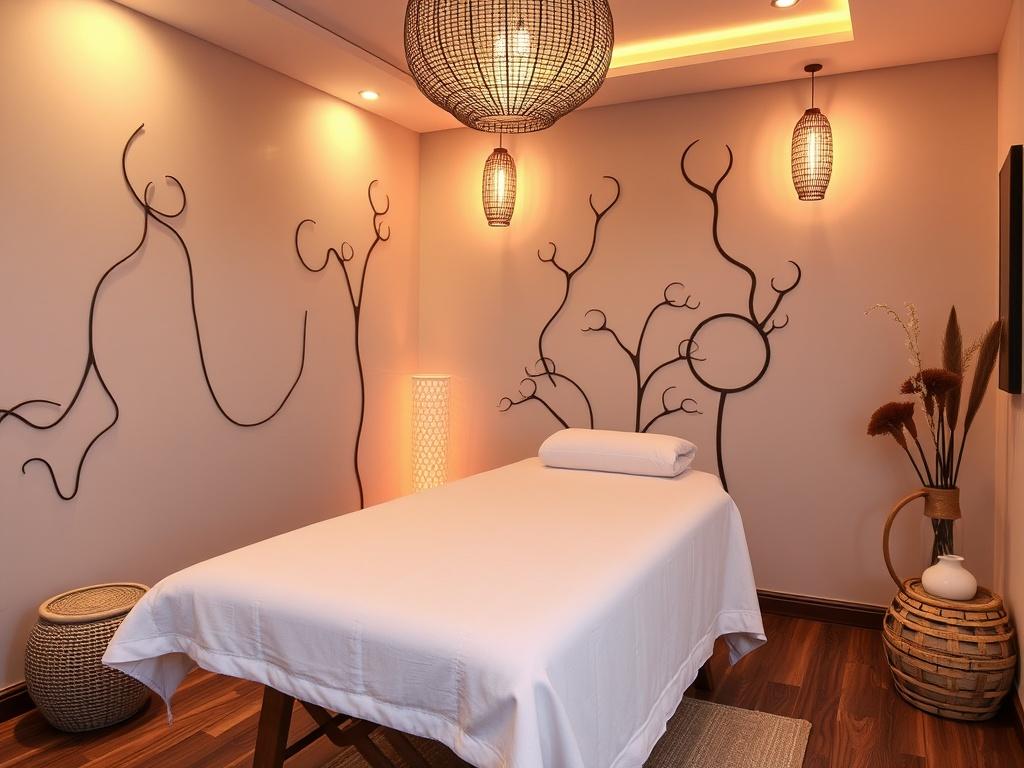
Physical setup has a major impact on client comfort and safety. A well-designed nuru massage studio balances privacy, hygiene, and ambient comfort.
Essential equipment and products include:
- High-quality, hypoallergenic nuru gel—typically made from seaweed extract (e.g., nori or alginate) and water. Avoid petroleum or oil-based products for this work.
- Waterproof, easy-to-sanitize surfaces such as vinyl mats or specialized futons.
- Heated towels and room temperature control to prevent clients from getting cold after the shower or during the session.
- Non-slip flooring and mats outside the table to reduce fall risk when surfaces are wet.
- Disposable or easily laundered linens, and a dedicated area for rinsing and showering.
Studio layout should also include private changing rooms, a clean sink area, and visible hygiene signage. Lighting, music, and scent should be subtle and adjustable to client preference, because sensory comfort contributes strongly to the perceived quality of the session.
Training, Ethics, and Professional Standards
Training for nuru practitioners should combine practical technique with ethics, communication, and safety. The best programs teach how to apply gel safely, how to maintain appropriate pressure, and how to read body language without making assumptions. They also cover legal responsibilities and what to do in a medical or consent-related emergency.
Key ethical guidelines for practitioners:
- Obtain explicit, documented consent prior to any physical contact.
- Honor stated boundaries continuously and check in during longer sessions.
- Maintain confidentiality of client information and session details.
- Refuse or terminate work that feels unsafe, coerced, or outside scope.
Many studios adopt written policies and client agreements that spell out the parameters of service. These documents reduce misunderstandings and form part of a defensible business practice if disputes arise.
Health, Hygiene, and Safety Considerations
Hygiene is non-negotiable in nuru massage because the technique uses large amounts of gel and close skin contact. Studios should follow rigorous cleanliness protocols to avoid irritation, allergic reactions, and infectious risks.
Practical hygiene steps include:
- Pre-session showers for both client and practitioner.
- Use of hypoallergenic, preservative-stable gel verified for topical use.
- Sanitization of surfaces between sessions with appropriate disinfectants.
- Regular laundering of towels and linens at high temperatures.
- Routine checks and refusal of service where open wounds, skin infections, or contagious conditions are present.
Studios should also have protocols for emergencies: first aid kits, access to local medical contacts, and clear procedures for returning deposits or rescheduling in the event of illness. Given ongoing public-health concerns, many studios request vaccination or testing status depending on local regulations and client preferences.
Legal and Regulatory Landscape
Legalities around nuru studios vary widely by jurisdiction. In some places, bodywork that involves intimate touch is regulated tightly or restricted to licensed establishments; in others it falls into a gray area. Operators must research local ordinances, zoning laws, and licensing requirements before opening a studio.
Important legal and operational steps:
- Verify state/provincial licensing for massage therapy or equivalent professions.
- Obtain a business license and check zoning rules for commercial use and adult-oriented businesses if applicable.
- Implement client consent forms and clear refund/cancellation policies.
- Carry appropriate liability insurance that covers bodywork involving close contact.
Consulting a lawyer familiar with local massage and adult-business law is advisable. In regulated markets, misclassification of services or inadequate documentation can lead to fines or forced closure.
Client Considerations: How to Choose a Studio and Prepare
If you’re considering a nuru massage, evaluate studios the same way you would any personal-care provider: research, read reviews, ask questions, and trust your instincts. A brief phone call before booking can reveal a lot about professionalism and safety culture.
Questions to ask before booking:
- What training and certification do practitioners have?
- What is the studio’s hygiene protocol, including shower facilities and sanitation between clients?
- What are the firm boundaries and scope of a session?
- How is consent handled and documented?
Practical tips for clients include arriving clean, avoiding heavy fragrances, disclosing relevant health information honestly, and clarifying any areas of the body you do not want worked on. Because nuru involves slippery gel, wear footwear with good grip to and from the shower area.
How Nuru Compares to Other Bodywork Modalities
Nuru occupies a distinct place among massage types. It is less focused on deep muscle manipulation than therapeutic modalites like deep-tissue or sports massage, and more physically intimate than Swedish massage. The chart below summarizes key differences.
| Feature | Nuru Massage | Swedish Massage | Thai Massage |
|---|---|---|---|
| Primary aim | Smooth, whole-body gliding contact; relaxation and intimate touch | Relaxation; general muscle circulation and tension relief | Stretching and energy lines; mobility and flexibility |
| Typical medium | Water-based nuru gel | Oils or lotions | Clothing, no oil |
| Degree of physical contact | High; full-body contact common | Moderate; therapist uses hands and forearms | Moderate to high; practitioner uses body weight and assisted stretching |
| Regulatory considerations | Varies widely; often scrutinized | Generally well-established licensure | Requires trained practitioners; licensing varies |
Business Considerations for Studio Owners
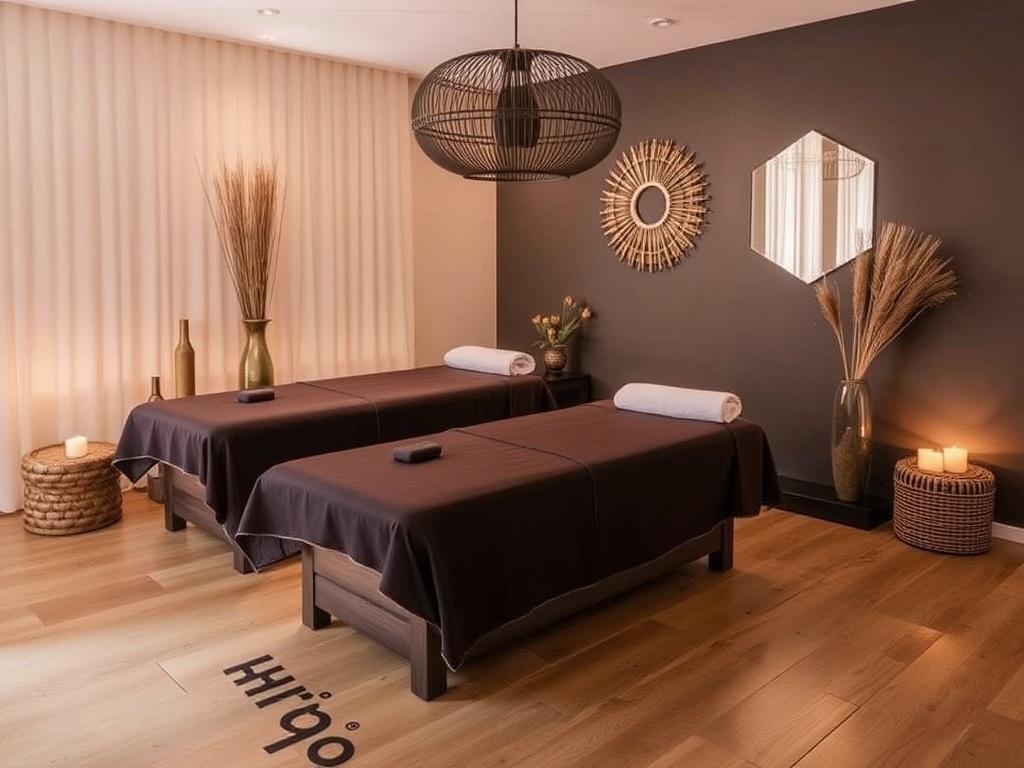
Running a nuru massage studio requires attention to niche marketing, reputation management, and staff welfare. Because the work involves intimate contact, transparent policies and a strong ethical culture are critical to building trust and avoiding disputes.
Key business tasks:
- Developing a clear policy manual for consent, boundaries, and harassment prevention.
- Investing in staff training and fair compensation to reduce turnover and legal exposure.
- Building a discreet but effective marketing plan that highlights safety, cleanliness, and professionalism.
- Tracking client feedback and continuously refining protocols for health and comfort.
Word-of-mouth and client trust matter more in this sector than flashy advertising. A studio that prioritizes safety and transparency will attract repeat customers and referrals.
Conclusion
A reputable nuru massage studio pairs an unusual, full-body modality with rigorous standards: clear consent, meticulous hygiene, trained practitioners, and compliance with local law. Whether you’re a potential client or an operator, focus on transparent communication, documented policies, and safety-first practices. With those in place, nuru can be offered and experienced as a professional, respectful form of intimate bodywork rather than a source of uncertainty or risk.