
What Thai massage is — and why it’s different from other bodywork
Thai massage traces its roots to ancient Southeast Asian healing traditions and blends acupressure, assisted stretching, and rhythmic compressions. Unlike many Western styles, where oils and a face-down table dominate, traditional Thai work happens on a padded mat with the receiver clothed and the practitioner using palms, thumbs, elbows, knees and feet to move the client through passive yoga-like positions. The emphasis is on joint mobility, energy lines, and whole-body flows rather than isolated kneading of a single sore spot.
Because Thai massage combines elements of stretching and mobilization, it often feels both invigorating and deeply relaxing. People go for it when they want improved flexibility, relief from chronic stiffness, or a more functional, range-of-motion–focused session than a classic Swedish massage would provide.
Types of Thai massage you’ll encounter uptown

“Uptown” studios—whether that means the upper neighborhoods of a big city or simply a quieter district away from downtown—often offer a spectrum of Thai-based treatments. Expect to find both traditional Nuad Boran (classical Thai) and hybrid services tailored to local clientele, such as oil-enhanced sessions, sports-oriented Thai, and spa-style packages that blend aromatherapy and hot stones.
Studios label these services differently, but they generally fall into several categories:
- Traditional Thai (Nuad Boran) — clothed, mat-based, stretching and compression-focused.
- Thai oil massage — incorporates oils and more gliding techniques, often performed on a table.
- Sports/therapeutic Thai — concentrates on athletic injuries, trigger points, and mobility for active clients.
- Spa fusion — softer, slower, and combined with other elements like hot stones or herbal compresses.
Traditional versus modern variants
Traditional sessions prioritize rhythm and flow; the therapist sequences stretches and compressions to move through the body’s lines. Modern variants borrow from Western massage (long gliding strokes, oil, and focus on local muscles) to appeal to clients who prefer gentler touch or a more familiar spa environment.
When choosing between them uptown, think about the outcome you want: flexibility and joint release point to classical Thai, while deep muscle relief or relaxation may steer you to oil or hybrid sessions.
What to expect during a session
When you walk into an Uptown Thai studio, the setup will often feel calm and minimally decorated: soft lighting, soothing music, and a mat or massage table. Intake typically includes questions about your medical history, pressure preferences, and areas to avoid. A good therapist will explain what will happen and invite you to speak up during the session.
A typical session flow for a 60–90 minute traditional Thai massage might look like this:
- Brief consultation and warm-up breathing.
- Sequence of stretches and compressions working from the feet and legs up through the torso and arms.
- Attention to the neck, shoulders, and hips with mobilizations and point pressure.
- Cool-down with gentle rocking and slower compressions to reintegrate the joints.
For a table-based oil massage, expect more long strokes and focused work on tight muscles. Communicate clearly about pressure—Thai therapists can adapt from very assertive to light and restorative.
How to choose a good Uptown Thai massage studio
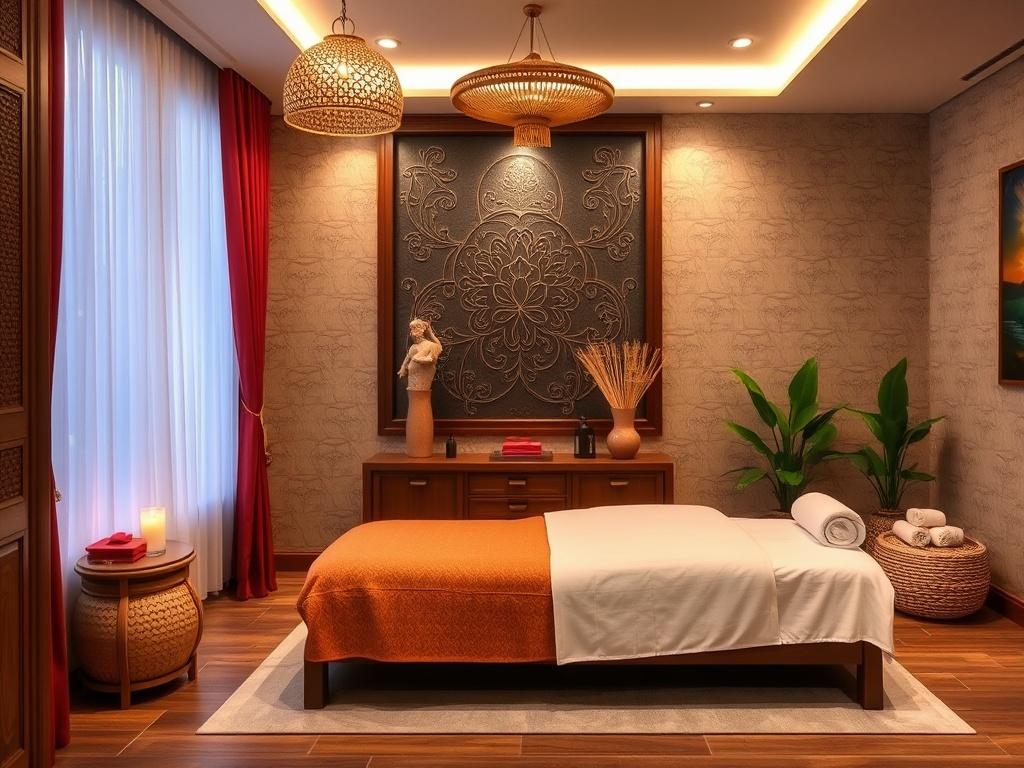
Finding a reputable place uptown depends on more than price. Look for clean, well-maintained spaces; clear service descriptions; and therapists who are willing to answer questions about training and modalities. Many quality studios display certificates or license information, especially in cities with regulated massage therapy professions.
Key selection criteria you can use when comparing studios:
- Therapist training and years of experience in Thai approaches.
- Whether the studio offers private rooms or open mat areas (privacy preferences matter).
- Client reviews that mention consistency and therapist responsiveness.
- Clear policy on cancellation, intake, and health screening.
| Feature | What to look for | Why it matters |
|---|---|---|
| Training / Certification | Formal Thai massage program, apprenticeship, local licensing | Ensures safe techniques and knowledge of contraindications |
| Environment | Clean, quiet rooms, comfortable mats/tables | Improves relaxation and reduces distractions |
| Service Offerings | Clear menu: Traditional, oil, sports, couples | Helps match the session to your goals |
| Client Feedback | Recent reviews, comments on pressure and communication | Indicates consistency and therapist-client rapport |
Questions to ask before booking
Don’t be shy about calling or messaging ahead. Practical questions save time and set expectations: “Do you do clothed mat work?” “How do you manage medical contraindications?” “Can I request a male/female therapist?” A studio that answers clearly is likely better run and more professional.
If you plan to go during busy hours uptown, ask about appointment availability and arrival time—many studios request you arrive 10–15 minutes early to complete intake forms.
Practical tips for first-timers
First-time clients often wonder how to dress and what to say. For traditional Thai, wear loose, breathable clothing (yoga pants, shorts and a t-shirt). For oil work, you’ll typically change into disposable underwear and a robe. Always tell the therapist about recent surgeries, high blood pressure, or pregnancy—these change what techniques are safe to use.
During the session, use simple signals to communicate pressure or discomfort. A brief conversation at the start about whether you like firm or gentle work helps the therapist calibrate. After the session, take a few minutes to rest and hydrate; Thai-style stretching can leave you pleasantly light or a little tender the next day.
- Tip amount: 15–20% is common where tipping is customary; some uptown spas include gratuity in the price—check first.
- Hydration: Drink water before and after to support tissue recovery.
- Follow-up: If you feel sharp pain afterward, contact the studio or your provider.
Health considerations and contraindications
Thai massage involves active movement and pressure, so it’s not appropriate in every situation. Acute injuries, recent fractures, uncontrolled hypertension, deep vein thrombosis, or contagious skin conditions are reasons to avoid or modify sessions. Pregnant clients should seek therapists trained in prenatal Thai massage and disclose gestational age.
Therapists with proper training will adapt techniques or decline to treat when risk is present. If you have a chronic condition, bring a concise medical summary or have your physician sign off if recommended. Safety is the professional’s responsibility, but candid disclosure from you makes a session safer and more effective.
Cost, scheduling, and etiquette in Uptown studios
Prices uptown vary according to neighborhood desirability, studio reputation, and services included. As a rough guide, traditional Thai sessions in many cities are priced similarly to mid-range table massages but may cost more for highly experienced practitioners or clinics with specialized therapeutic focuses. Expect a sliding scale from budget-focused shops to premium wellness centers.
Scheduling during off-peak hours (weekday mornings or early afternoons) often gets you better availability and sometimes lower rates. If you must cancel, give 24 hours’ notice—many studios enforce late cancellation fees to compensate therapists.
- Remember punctuality: sessions are usually timed from the appointment start, not arrival.
- Phone etiquette: silence your phone to maintain a calm atmosphere for other clients.
- Feedback: if something is uncomfortable, say so; therapists prefer adjustments to remain safe and effective.
Real-world examples and practical comparisons
Consider two typical uptown clients. Maria is a desk worker with stiff hips and lower-back tightness; she chooses a traditional 90-minute Thai session to improve mobility. After three sessions she notices improved hip opening and less morning stiffness. Her progress suggests Thai’s focus on joint play suits her needs better than a series of general relaxation massages.
Jason is a weekend runner with persistent calf tightness. He opts for a 60-minute sports-Thai hybrid that targets the posterior chain and incorporates focal pressure on trigger points. The therapist combines deep compressions with assisted stretching—Jason experiences immediate tension reduction and uses home stretches recommended by the therapist to maintain gains.
Compared to Swedish massage, Thai tends to be more active and mobility-focused; compared to deep tissue, Thai may produce similar structural changes but through movement patterns rather than prolonged static pressure. Choosing between them depends on whether you want motion-based release or isolated muscle work.
Simple Thai-inspired stretches to try at home
You can borrow a few safe, low-intensity movements from Thai practice to maintain progress between sessions. These are not substitutes for professional treatment but useful complements.
- Seated spinal twist with leg extension — supports lumbar mobility and hamstring length.
- Kneeling hip opener — gentle lunge with partner assistance or pushing off a wall for support.
- Supine figure-four with active knee draw — relieves glute tightness and encourages sacroiliac mobility.
Perform these moves slowly and breathe through each movement. If you feel sharp pain, stop and consult a therapist or medical professional.
Conclusion
Finding the right Thai massage uptown means matching a studio’s strengths to your goals—mobility, athletic recovery, or deep relaxation—and choosing a therapist whose training and communication style fit you. Understand the different types, ask practical questions before booking, and follow safety guidance around health conditions and pressure levels. With a few well-chosen sessions and simple home maintenance, Thai massage can be a powerful tool to restore movement, reduce chronic tightness, and add a functional dimension to your wellness routine.