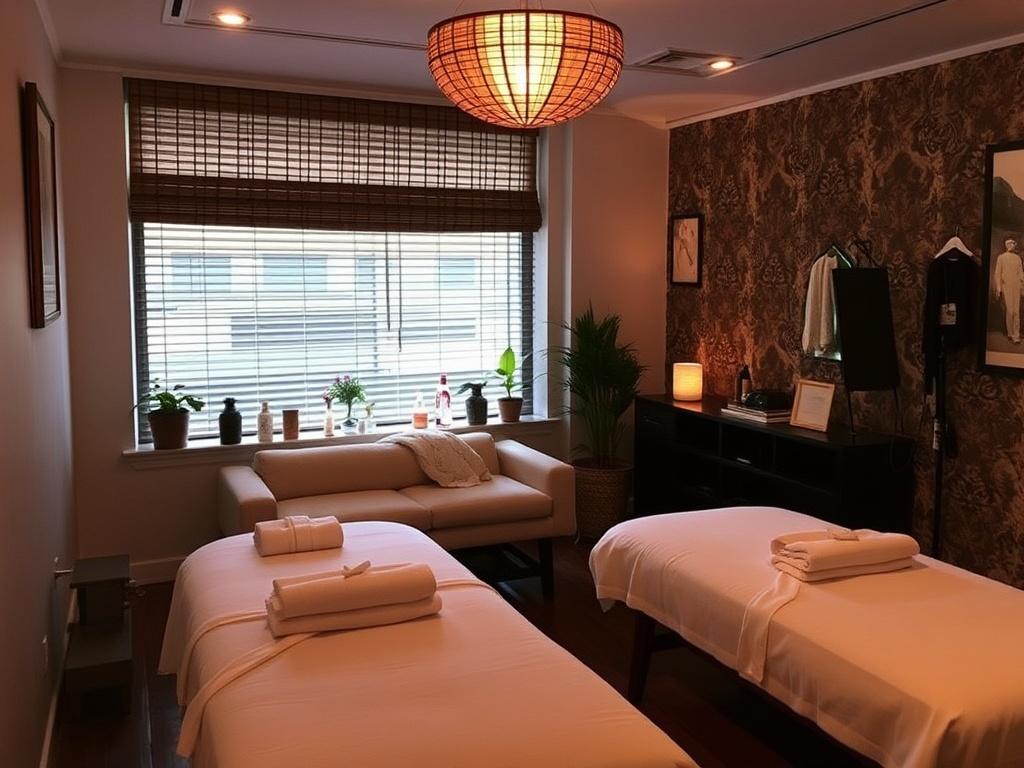

What Thai Massage Is — and How It Stands Apart
Thai massage is a form of therapeutic bodywork that combines assisted stretches, rhythmic compression, and targeted pressure along energy lines. Unlike oil-based Swedish or deep-tissue massages, Thai massage is usually performed with the recipient fully clothed and takes place on a firm mat on the floor or, in many New York clinics, on a table adapted for stretches. The practitioner uses hands, thumbs, forearms, elbows, knees, and feet to mobilize joints and lengthen muscles.
Historically rooted in Southeast Asian traditions and influenced by Indian Ayurvedic concepts, the method often references «sen» or energy lines. While the metaphysical language varies by school, the mechanical effects—improved range of motion, muscle release, and nervous-system modulation—are measurable and commonly reported. In practical terms, think of Thai massage as a guided yoga session for someone who prefers to be passive: the therapist does the moving while you breathe and relax.
Compared to table-based deep-tissue work, Thai massage emphasizes mobility and joint play more than sustained, isolated pressure. For people who enjoy dynamic, movement-oriented sessions and want to leave more mobile than merely relaxed, Thai bodywork offers a distinctive experience.
What to Expect at a Thai Massage in New York
In New York the offerings range from small independent studios to high-end spas and integrative medical clinics. A typical initial intake will include a brief health questionnaire and a discussion about goals and contraindications. Sessions commonly run 60, 90, or 120 minutes. A 60-minute session tends to focus on a single area (back/hips/legs), while 90–120 minutes gives time for a full-body progression of stretches and compressions.
Practical differences between locations matter. Neighborhood walk-in studios may emphasize traditional rhythm and group classes in Thai yoga, while licensed medical practices often integrate assessment and rehabilitative techniques. Many practitioners in New York adapt traditional floor-based techniques for clients who prefer a massage table, seniors, or those with mobility restrictions.
Expect to wear loose, comfortable clothing—yoga pants and a T-shirt are typical. Because therapists physically move your limbs through ranges of motion, appropriate attire is both more modest and practical than oil-based sessions. If you prefer oil or a table, ask when you book; many places offer hybrid Thai-oil sessions.
Example: Making a Choice — Busy Office Worker with Lower-Back Stiffness
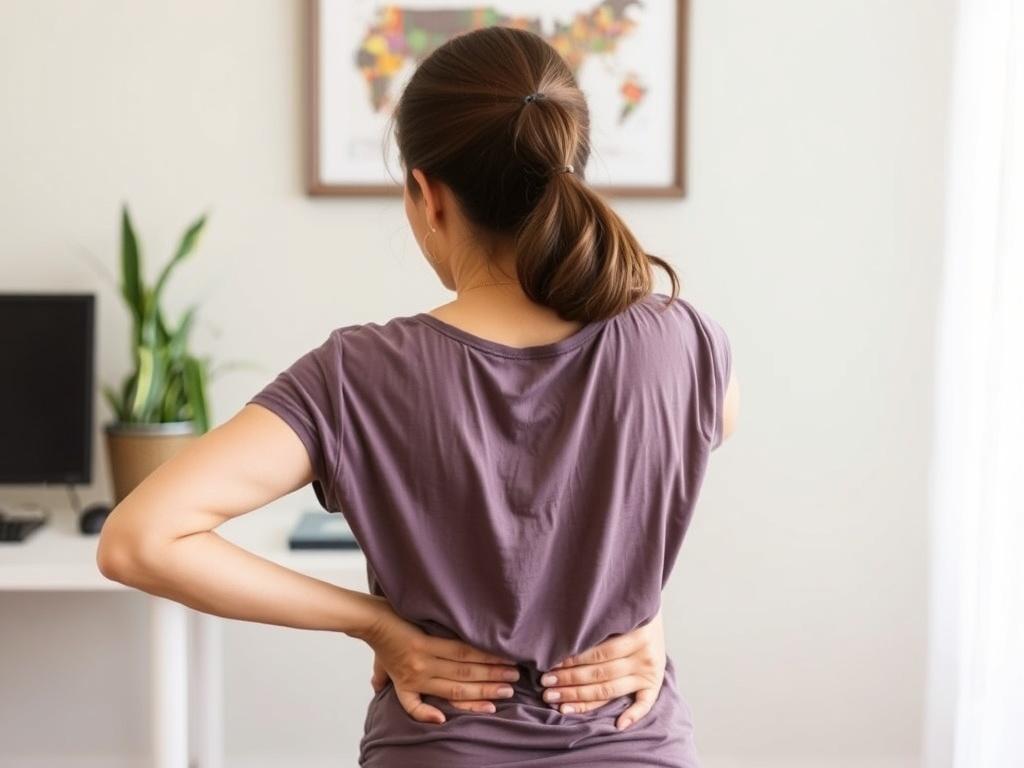
Imagine a software engineer in Midtown who sits eight hours a day and experiences lumbar stiffness. A 90-minute Thai yoga-style session could target spinal mobility through targeted hip openers, hamstring stretches, and gentle spinal traction while the practitioner uses rhythmic compressions to ease the paraspinal muscles. The immediate effect is often increased range of motion and decreased stiffness; longer-term benefit depends on frequency and complementary habits like ergonomic adjustments and movement breaks.
By contrast, a single deep-tissue table massage might reduce pain from specific trigger points but leave joint mobility unchanged. For someone whose main issue is tightness from immobility, Thai-style stretching is often the more effective first choice.
Benefits, Risks, and Who Should Be Cautious
Benefits attributed to Thai massage include improved flexibility, reduced muscle tension, improved circulation, and relief from certain types of chronic pain. Many clients also report improved sleep and a feeling of lightness after sessions. Because Thai massage mobilizes joints and stretches connective tissues, it can be particularly helpful for people who want functional improvements in movement, not just short-term relaxation.
However, the dynamic nature of the techniques means there are risks for some people. Contraindications include recent fractures or surgery, active infections, severe osteoporosis, uncontrolled high blood pressure, deep vein thrombosis, and some pregnancy stages. People taking blood thinners or with bleeding disorders should proceed with caution. Always disclose medical history during intake, and consult your physician if you have serious health concerns before booking.
When performed by a well-trained practitioner, adverse events are rare. Still, some post-session soreness—similar to the feeling after a new exercise routine—is normal. Hydration, gentle movement, and avoiding intense activity for 24 hours can help recovery.
Practical Considerations: Finding a Reputable Practitioner in NY
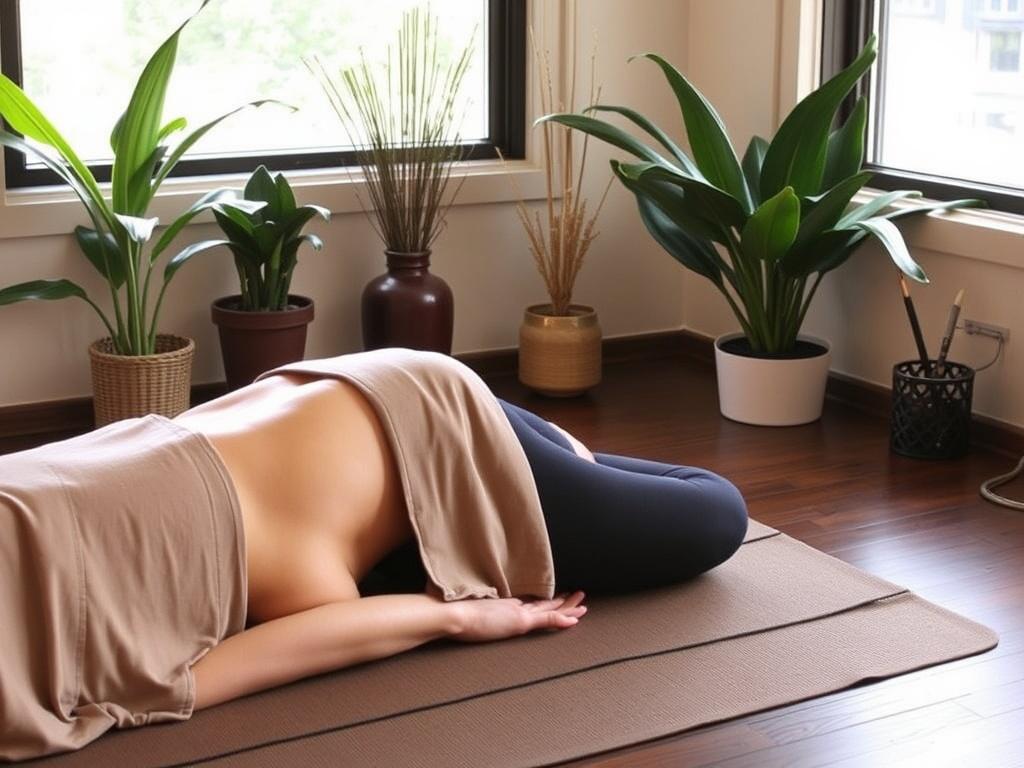
New York has an abundant and diverse Thai massage scene, which is great for choice but means quality varies. Look for practitioners who clearly state their training and offer referrals. Many reputable therapists list certification from established Thai massage schools, additional training in anatomy or orthopedic assessment, and membership in local professional associations.
- Read recent client reviews focusing on safety, communication, and results rather than only ambiance.
- Verify that the practitioner asks about medical conditions and explains the session plan.
- Prefer therapists who offer a clear cancellation and hygiene policy—especially in shared or small studios.
- Ask whether the therapist performs on a mat or table and whether they can modify positions to accommodate limitations.
Questions to Ask Before Booking
- What training and certifications do you hold in Thai massage?
- Do you adapt techniques for medical conditions or pregnancy?
- Is the session performed clothed on a mat or on a table with oil?
- How long are sessions and what is your cancellation policy?
- Do you have references or client testimonials I can review?
| Style | Primary Techniques | Setting | Ideal For | Typical Duration | Approx. NYC Price Range |
|---|---|---|---|---|---|
| Traditional Thai (Nuad Boran) | Passive stretching, rhythmic compression, joint mobilization | Mat or adapted table | Flexibility, mobility, chronic stiffness | 60–120 min | $70–$140 |
| Thai Oil Massage | Long gliding strokes + pressure, oil-based | Table | Relaxation + light muscle work | 60–90 min | $80–$150 |
| Thai Foot Reflexology | Foot compressions, compressive points | Chair or table | Circulation, localized relief | 30–60 min | $40–$80 |
| Thai Medical/Clinical | Assessment-driven mobilizations, therapeutic modalities | Clinic | Rehab, chronic pain management | 45–90 min | $90–$180 |
Costs, Booking, and Etiquette in New York
Prices vary by neighborhood and by whether the provider is an independent practitioner or a high-end spa. In Manhattan expect to pay the higher end of the ranges in the table; in outer boroughs prices are usually lower. Many places offer package rates or sliding scales for frequent clients.
Etiquette in NY follows simple rules: arrive 10–15 minutes early for intake, wear loose clothing, turn off your phone, and be honest about any discomfort during the session. Tipping is customary in most American spas—15–20% is typical—but check whether gratuity is included in the price. If you’re uncertain, asking at booking or checking the receipt will avoid awkwardness.
Cancellation policies are common and often enforced; last-minute no-shows may incur fees. If you have acute pain or a sudden illness, notifying the studio as soon as possible is both courteous and practical.
Training, Certification, and Professional Standards in NY
Practitioners in New York come from varied educational backgrounds: traditional Thai schools, massage therapy colleges, continuing-education programs, and apprenticeships. Many combine Thai techniques with clinical training in anatomy, orthopedic assessment, or sports massage. When vetting a therapist, look for clear information about their education and ongoing professional development.
Professional associations and continuing education keep standards evolving. While regulatory frameworks differ by state and venue, a good practitioner will be transparent about their scope of practice, liability insurance, and how they handle medical referrals. That transparency is a reliable proxy for professionalism and client safety.
Finally, consider frequency: for chronic issues, 1–2 sessions per week for a short course, then tapering to maintenance, often yields better results than sporadic visits. Discuss a plan with your therapist tailored to your goals and schedule.
Whether you’re a curious visitor, a busy New Yorker, or someone managing chronic stiffness, Thai massage in NY offers many practical options. Look for experienced practitioners who communicate clearly, adapt techniques to your needs, and provide a safe, comfortable setting.
Conclusion
Thai massage in New York blends ancient movement-based techniques with modern clinical sensibilities; by understanding the styles, asking the right questions, and choosing a practitioner who communicates clearly, you can find effective, safe sessions that improve mobility, reduce tension, and fit your lifestyle—just be prepared, wear comfortable clothes, and expect to move, breathe, and feel the difference.