

What traditional Thai massage is — origins and practice
Thai massage, or nuad bo-rarn, is a centuries-old healing practice that blends acupressure, assisted yoga-like stretches, and an understanding of energy lines called sen. It developed in monastic settings and folk medicine, adapting influences from Indian Ayurvedic techniques and Chinese medicine along the way. In its authentic form, it is a therapeutic modality focused on easing tension, improving circulation, and restoring mobility.
The typical session takes place on a mat or firm table, with the client fully clothed in loose garments. Therapists use palms, thumbs, elbows, knees and feet to apply rhythmic pressure and to mobilize joints. Training paths vary by country, but reputable programs teach anatomy, contraindications, hygiene, draping and the professional ethics that separate therapy from sexual activity.
How Thai massage is sexualized in media and pornography
Despite its therapeutic roots, Thai massage occasionally appears in erotic films and adult content, where a massage setting becomes a narrative device or fetish context. In these portrayals the techniques and aesthetics of the massage are repurposed to create arousal, often reducing a complex healing tradition to a sexualized trope. That reuse affects public perception, blurring the line between legitimate therapy and erotic services.
These portrayals can be stylized in several ways: the spa environment may be staged for voyeuristic appeal, performers may wear suggestive attire rather than appropriate loose clothing, and the storyline can emphasize flirtation or sexual exchange rather than consent and care. The result is a persistent association between Thai massage and sexual availability that complicates real-world interactions between therapists and clients.
Distinguishing legitimate Thai massage from sexualized or illicit services
For consumers and practitioners alike, it helps to have clear markers that separate therapeutic massage from sexualized offerings. These distinctions are not arbitrary; they relate to training, setting, consent, and professional standards.
- Training and credentials: authentic therapists are trained in anatomy, pathology and contraindications; sexual services do not require such education.
- Environment and attire: clinics and licensed spas emphasize hygiene, privacy, and appropriate coverings; sexualized settings often use suggestive decor and clothing.
- Boundaries and consent: legitimate therapy includes clear verbal consent about techniques and boundaries, with an emphasis on non-sexual touch.
- Payment and advertising: professional services advertise therapeutic benefits and standardized pricing; illicit services may offer ambiguous “extras” or coded language.
| Feature | Authentic Thai Massage | Sexualized/Illicit Services |
|---|---|---|
| Setting | Quiet clinic or spa; focus on hygiene | Private room or parlour with suggestive decor |
| Attire | Loose, non-revealing clothing; draping used | Revealing or lingerie-style clothing |
| Training | Courses in anatomy, technique, ethics | No formal requirements |
| Purpose | Therapeutic: pain relief, mobility, relaxation | Sexual arousal or commercial sex |
| Consent and boundaries | Explicit discussion of boundaries; professional conduct | Blurred or transactional consent around sexual acts |
| Legal/Regulatory | Often regulated, licensed, or tied to health codes | Often illegal or operates in legal grey zones |
Legal, ethical, and public‑health considerations
The legal landscape around sexual services and massage varies widely by country and even by municipality. In many jurisdictions, prostitution or solicitation is illegal, while therapeutic massage is regulated under health and business licensing schemes. Enforcement practices differ, and that patchwork creates opportunities for illicit activity to be hidden behind a veneer of legitimacy.
Ethically, the sexualization of a healing practice raises concerns about exploitation, consent and commodification. When massage is depicted primarily as an erotic service, practitioners face stigma that can undermine their safety, professional standing and livelihood. From a public‑health perspective, mixing sexual services with therapeutic touch raises issues of STI transmission, criminal risk, and the potential for coercion or trafficking—especially where workers have limited agency or legal protections.
Real-world examples and practical considerations
Consider two hypothetical examples to illustrate how differences play out in practice. In one city, a licensed spa advertises courses in Thai massage, shows staff certifications, maintains clear pricing and posts a code of conduct. Clients receive a thorough intake form and a therapist explains draping and pressure before work begins. In a contrasting scenario, a small parlour advertises “special services” using euphemisms, insists on private rooms with locked doors and requests cash-only transactions—several red flags that suggest sexual services or illegal activity.
Those contrasts lead to practical steps both clients and therapists can take. Clients seeking a legitimate Thai massage should verify credentials, read reviews, ask about training, and expect clear boundaries regarding touch. Therapists should document consent, refuse requests that cross ethical or legal lines, and keep records that demonstrate professionalism. Both parties benefit when businesses are transparent about licensure, hygiene and scope of practice.
Industry dynamics: economics, globalization, and cultural implications
The global demand for erotic content and the prevalence of sex tourism have economic ripple effects. In some cases, massage parlours become part of local sex economies because they fill consumer demand and because legal ambiguities let them operate with relative impunity. Meanwhile, the pornography industry’s use of massage settings draws on and perpetuates stereotypes that affect how Thai practitioners are seen worldwide.
There is also a cultural dimension: Thai massage carries specific cultural meanings and traditional knowledge. When it is reduced to a fetish or a sales angle, that tradition risks being misrepresented. Advocates for cultural integrity and practitioners themselves sometimes push back, offering education, certification programs and public outreach to reclaim the practice’s therapeutic identity.
Harm-reduction, regulation, and paths forward
Addressing the overlap between massage and sexualized services requires pragmatic policies and community-level action. Regulators can reduce harm by clarifying licensing standards, enforcing workplace protections for massage therapists, and distinguishing therapeutic establishments from illicit operators. Health services and NGOs can support outreach and resources for workers vulnerable to exploitation.
On a local level, massage associations and schools can help by offering visible certification, public directories of legitimate practitioners, and training on boundaries and client communication. Consumers can contribute by choosing licensed clinics and by calling out ambiguous or exploitative advertising. These steps don’t eliminate demand for erotic content, but they can protect practitioners and preserve the integrity of a legitimate healing art.
Practical checklist: how to choose a legitimate Thai massage provider
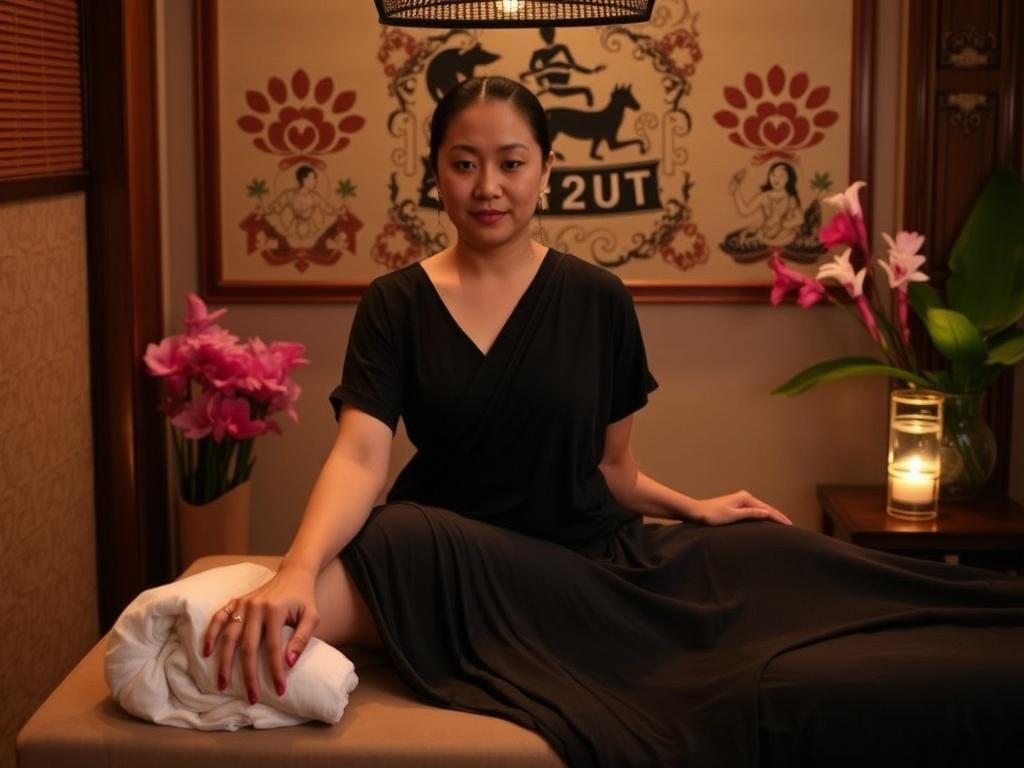
- Verify credentials: look for school certificates, professional association membership, or posted licenses.
- Inspect the setting: clean facilities, visible hygiene practices, and appropriate draping indicate professionalism.
- Ask questions: good therapists explain the session, expected sensations, and contraindications.
- Pay transparently: established clinics use receipts and card payments; cash-only, unitemized fees are a red flag.
- Trust boundaries: a professional therapist will decline sexualized requests and will honor your comfort level.
Further reading and resources
For readers who want to learn more, reputable sources include academic studies on traditional medicine, professional massage association websites, and public health guidance about workplace safety. When investigating local providers, prefer clinics that publish staff training information and follow recognized health regulations. NGOs working on labor rights and anti-trafficking can also provide context about the risks some workers face in mixed-service environments.
Conclusion
Thai massage is a distinct therapeutic tradition that has, in some popular and adult media, been sexualized in ways that blur professional boundaries and create real-world risks. Understanding the differences between legitimate practice and sexualized or illicit services helps clients make safer choices and supports practitioners in protecting their work and wellbeing. With clearer regulation, better public education and visible professional standards, it is possible to preserve the health-focused identity of Thai massage while addressing the harms that accompany its sexualized portrayals.